


Hey there! As a supplier of ASTM A213 Alloy Steel Tube, I often get asked about different heat treatment processes for these tubes. One process that's quite interesting and useful is flame hardening. So, let's dig into what flame hardening of ASTM A213 Alloy Steel Tube is all about.
What's ASTM A213 Alloy Steel Tube?
First off, let's quickly go over what ASTM A213 Alloy Steel Tube is. These tubes are widely used in high - temperature and high - pressure applications, like in power plants, boilers, and heat exchangers. They're made from alloy steels that have specific chemical compositions to ensure good mechanical properties, such as high strength, good corrosion resistance, and excellent creep resistance at elevated temperatures.
Understanding Flame Hardening
Flame hardening is a surface hardening process. The basic idea behind it is to heat the surface of the steel tube rapidly using a high - temperature flame and then quench it quickly. This creates a hard, wear - resistant surface layer while keeping the core of the tube relatively soft and tough.
How Does It Work?
The process starts with preheating the ASTM A213 Alloy Steel Tube to a certain temperature. This preheating step helps to reduce thermal stress during the subsequent heating and quenching process. Then, a high - velocity flame, usually an oxy - fuel flame, is directed onto the surface of the tube. The flame heats the surface layer of the tube to a temperature above the critical transformation temperature of the steel.
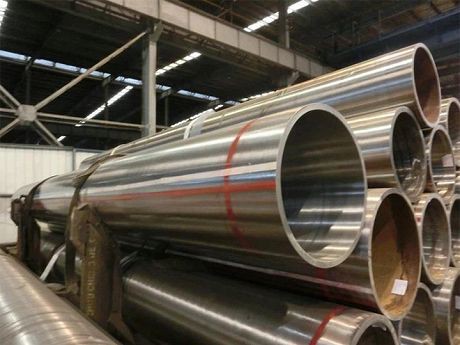

Once the surface reaches the right temperature, a quenching medium, like water or oil, is immediately applied to cool the heated surface rapidly. This rapid cooling causes the formation of martensite, a very hard and brittle phase of steel. The depth of the hardened layer depends on factors like the heating rate, the duration of heating, and the quenching speed.
Why Flame Hardening for ASTM A213 Alloy Steel Tube?
There are several reasons why flame hardening is a great option for these tubes.
Improved Wear Resistance: In many applications, the tubes are subject to wear and abrasion. A hardened surface layer can significantly increase the tube's resistance to wear, which extends its service life. For example, in a boiler where the tubes are constantly in contact with hot gases and particles, a wear - resistant surface can prevent premature failure.
Cost - Effective: Compared to some other surface hardening methods, flame hardening is relatively inexpensive. It doesn't require complex equipment or a lot of energy, making it a cost - effective solution for improving the performance of ASTM A213 Alloy Steel Tubes.
Selective Hardening: Flame hardening allows for selective hardening of specific areas of the tube. If only certain parts of the tube are exposed to high wear, you can focus the flame on those areas, which saves time and resources.
The Process in Detail
Let's break down the flame hardening process for ASTM A213 Alloy Steel Tube into more steps.
Pre - treatment
Before starting the flame hardening process, the tube needs to be cleaned thoroughly. Any dirt, grease, or scale on the surface can affect the heating and quenching process. The tube is also inspected for any cracks or defects. If there are any issues, they need to be addressed before proceeding.
Heating
The heating is done using a specially designed torch. The torch is moved along the surface of the tube at a controlled speed to ensure uniform heating. The heating rate is crucial. If it's too slow, the heat will penetrate too deeply into the tube, and if it's too fast, the surface may not reach the required temperature.
Quenching
After the surface is heated to the right temperature, quenching starts immediately. The quenching medium is sprayed onto the heated surface. Water is a common quenching medium because it provides a fast cooling rate, which is necessary for the formation of martensite. However, oil can also be used, especially if a more controlled cooling rate is required to avoid cracking.
Post - treatment
After quenching, the tube may undergo a tempering process. Tempering helps to relieve the internal stresses created during quenching and improve the toughness of the hardened layer. The tube is heated to a temperature below the critical transformation temperature and held there for a certain period of time, and then cooled slowly.
Comparison with Other Surface Hardening Methods
There are other surface hardening methods available for ASTM A213 Alloy Steel Tubes, such as induction hardening and nitriding.
Induction Hardening: Induction hardening uses an electromagnetic field to heat the surface of the tube. It's a very fast and precise method, but it requires expensive equipment. Flame hardening, on the other hand, is more flexible and can be used for tubes of different shapes and sizes.
Nitriding: Nitriding involves introducing nitrogen into the surface of the steel to form a hard nitride layer. It provides excellent wear and corrosion resistance, but the process is time - consuming and requires a controlled atmosphere. Flame hardening is quicker and can be done in an open environment.
Applications of Flame - Hardened ASTM A213 Alloy Steel Tubes
Flame - hardened ASTM A213 Alloy Steel Tubes have a wide range of applications.
Power Generation: In power plants, these tubes are used in boilers and heat exchangers. The hardened surface can withstand the high - temperature and high - pressure conditions, as well as the erosion caused by steam and combustion products.
Petrochemical Industry: In refineries and chemical plants, the tubes are exposed to corrosive chemicals and high - velocity fluids. Flame hardening can improve the tube's resistance to corrosion and erosion, which is essential for the safe and efficient operation of the facilities.
Other Related Alloy Tubes
If you're interested in alloy tubes, you might also want to check out ASTM A192 Boiler Tube, ASTM A209 Seamless Alloy Tube, and ASTM A335 Alloy Steel Pipe. These tubes also have their own unique properties and applications.
Conclusion
Flame hardening is a valuable process for ASTM A213 Alloy Steel Tubes. It can significantly improve the tube's performance in terms of wear resistance and durability. If you're in need of high - quality ASTM A213 Alloy Steel Tubes or have any questions about flame hardening, don't hesitate to get in touch. We're here to help you find the best solutions for your specific needs. Whether you're in the power generation, petrochemical, or any other industry that requires reliable alloy tubes, we can provide you with the right products. So, let's start a conversation and see how we can work together!
References
- ASM Handbook Volume 4: Heat Treating. ASM International.
- "Steel Heat Treatment: Metallurgy and Technologies" by George E. Totten and Mihir K. Bhattacharya.


