


As a seasoned anti-corrosion pipe supplier, I've witnessed firsthand the critical role that welding plays in the performance and longevity of these pipes. Anti-corrosion pipes are designed to withstand harsh environments and prevent the degradation of the pipe material due to corrosion. However, improper welding can compromise the integrity of the anti-corrosion coating and expose the pipe to corrosion, which can lead to costly repairs and replacements. In this blog post, I'll discuss the welding requirements for anti-corrosion pipes, including the types of anti-corrosion coatings, welding processes, and quality control measures.
Types of Anti-Corrosion Coatings
Anti-corrosion coatings are applied to pipes to protect them from corrosion. There are several types of anti-corrosion coatings available, each with its own unique properties and applications. Some of the most common types of anti-corrosion coatings include:
-
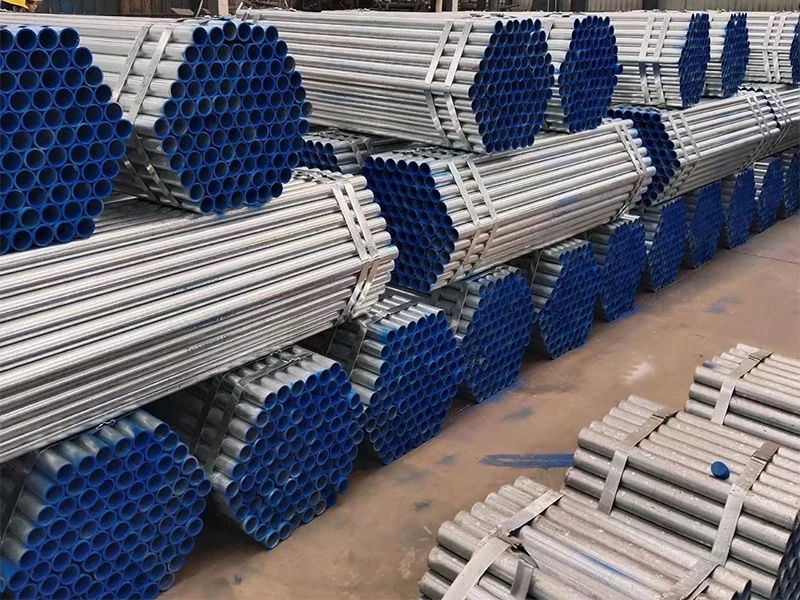
Hot-Dip Galvanizing: Hot-dip galvanizing is a process in which steel pipes are dipped in a bath of molten zinc. The zinc coating provides a sacrificial layer of protection, which corrodes instead of the steel pipe. Hot-dip galvanized pipes are commonly used in outdoor applications, such as fencing, handrails, and structural supports. BS1387 Hot Galvanized Steel Pipe
-
Epoxy Coating: Epoxy coating is a type of polymer coating that is applied to pipes to provide a durable and corrosion-resistant barrier. Epoxy coatings are commonly used in industrial applications, such as chemical processing plants, oil and gas pipelines, and water treatment facilities. API 5L Epoxy Lined 3pe Anti-corrosion Steel Pipe

-
Polyethylene Coating: Polyethylene coating is a type of thermoplastic coating that is applied to pipes to provide a protective barrier against corrosion and abrasion. Polyethylene coatings are commonly used in underground applications, such as water and gas pipelines.
Welding Processes
The welding process used for anti-corrosion pipes depends on the type of anti-corrosion coating and the application. Some of the most common welding processes used for anti-corrosion pipes include:
-
Shielded Metal Arc Welding (SMAW): SMAW, also known as stick welding, is a manual welding process that uses a consumable electrode coated with flux. SMAW is a versatile welding process that can be used in a variety of applications, including outdoor and indoor welding. However, SMAW can produce a lot of smoke and fumes, which can be hazardous to the welder's health.
-
Gas Metal Arc Welding (GMAW): GMAW, also known as MIG welding, is a semi-automatic welding process that uses a continuous wire electrode and a shielding gas to protect the weld from contamination. GMAW is a fast and efficient welding process that can be used in a variety of applications, including thin and thick materials. However, GMAW requires a clean and dry work environment, and the shielding gas can be expensive.
-
Flux-Cored Arc Welding (FCAW): FCAW is a semi-automatic welding process that uses a continuous wire electrode filled with flux. FCAW is a versatile welding process that can be used in a variety of applications, including outdoor and indoor welding. FCAW is similar to GMAW, but it does not require a shielding gas, which makes it more cost-effective. However, FCAW can produce a lot of smoke and fumes, which can be hazardous to the welder's health.
Welding Requirements for Anti-Corrosion Pipes
When welding anti-corrosion pipes, it is important to follow the manufacturer's recommendations and industry standards to ensure the integrity of the anti-corrosion coating and the quality of the weld. Some of the key welding requirements for anti-corrosion pipes include:
-
Surface Preparation: The surface of the pipe must be clean and free of dirt, grease, oil, and other contaminants before welding. The anti-corrosion coating must also be removed from the area to be welded to ensure good weld quality.
-
Welding Parameters: The welding parameters, such as the welding current, voltage, and travel speed, must be adjusted to match the type of anti-corrosion coating and the thickness of the pipe. The welding parameters should be within the manufacturer's recommended range to ensure good weld quality.
-
Welding Technique: The welding technique used for anti-corrosion pipes should be carefully selected to minimize the heat input and prevent damage to the anti-corrosion coating. The welding technique should also be consistent and uniform to ensure good weld quality.
-
Post-Weld Treatment: After welding, the weld area should be cleaned and inspected to ensure that the anti-corrosion coating has not been damaged. If the anti-corrosion coating has been damaged, it should be repaired or reapplied to prevent corrosion.
Quality Control Measures
Quality control measures are essential to ensure the integrity of the anti-corrosion coating and the quality of the weld. Some of the key quality control measures for anti-corrosion pipes include:
-
Visual Inspection: Visual inspection is the most basic quality control measure for anti-corrosion pipes. The weld area should be visually inspected for cracks, porosity, and other defects. The anti-corrosion coating should also be inspected for damage and proper adhesion.
-
Non-Destructive Testing (NDT): NDT is a group of testing methods that are used to detect defects in the weld without damaging the pipe. Some of the most common NDT methods used for anti-corrosion pipes include ultrasonic testing, radiographic testing, and magnetic particle testing.
-
Coating Thickness Measurement: Coating thickness measurement is an important quality control measure for anti-corrosion pipes. The thickness of the anti-corrosion coating should be measured at regular intervals to ensure that it meets the manufacturer's specifications.
-
Corrosion Testing: Corrosion testing is a group of testing methods that are used to evaluate the corrosion resistance of the anti-corrosion coating and the weld. Some of the most common corrosion testing methods used for anti-corrosion pipes include salt spray testing, immersion testing, and electrochemical testing.
Conclusion
In conclusion, welding is a critical process in the installation and maintenance of anti-corrosion pipes. The welding requirements for anti-corrosion pipes depend on the type of anti-corrosion coating and the application. It is important to follow the manufacturer's recommendations and industry standards to ensure the integrity of the anti-corrosion coating and the quality of the weld. Quality control measures are also essential to ensure the long-term performance and reliability of anti-corrosion pipes. If you have any questions or need further information about the welding requirements for anti-corrosion pipes, please feel free to contact us. We are a leading anti-corrosion pipe supplier, and we are committed to providing our customers with high-quality products and services.
References
- American Welding Society (AWS). Welding Handbook.
- International Organization for Standardization (ISO). ISO 15614: Welding Procedure Specification and Qualification for Metallic Materials - Welding Procedure Test.
- National Association of Corrosion Engineers (NACE). NACE SP0169: Control of External Corrosion on Underground or Submerged Metallic Piping Systems.


