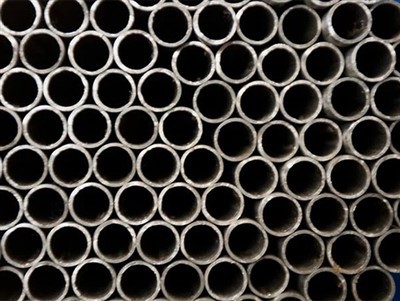

As a supplier of ASTM A179 Boiler Tubes, I often encounter inquiries about the erosion resistance of these tubes. Erosion resistance is a crucial factor in the performance and longevity of boiler tubes, especially in high - stress and high - temperature environments. In this blog, I will delve into the concept of erosion resistance of ASTM A179 boiler tubes, its influencing factors, and why it matters in practical applications.
Understanding ASTM A179 Boiler Tubes
ASTM A179 is a standard specification for seamless cold - drawn low - carbon steel heat - exchanger and condenser tubes. These tubes are widely used in various industries, including power generation, chemical processing, and heating systems. They are known for their excellent thermal conductivity, good formability, and relatively low cost. The low - carbon content of ASTM A179 tubes provides them with certain mechanical properties that make them suitable for heat - transfer applications.
What is Erosion Resistance?
Erosion resistance refers to a material's ability to withstand the wearing away or removal of its surface due to the action of fluid flow, often containing solid particles. In the context of boiler tubes, erosion can occur when high - velocity steam or water, sometimes carrying abrasive particles, flows over the tube surface. This can lead to thinning of the tube wall, which may eventually result in tube failure, leakage, and costly downtime.
Factors Affecting the Erosion Resistance of ASTM A179 Boiler Tubes
1. Material Composition
The chemical composition of ASTM A179 tubes plays a significant role in their erosion resistance. The low - carbon steel composition of these tubes offers a balance between strength and ductility. However, compared to some alloy steels, the carbon content alone may not provide the highest level of erosion resistance. For example, JIS G3441 Alloy Steel Tube contains alloying elements that can enhance its hardness and erosion resistance. These alloying elements can form a more wear - resistant surface layer and improve the tube's ability to withstand the impact of abrasive particles.
2. Surface Finish
The surface finish of the boiler tube is another important factor. A smooth surface finish reduces the friction between the fluid and the tube wall, minimizing the likelihood of particle adhesion and subsequent erosion. During the manufacturing process of ASTM A179 tubes, cold - drawing is used to achieve a relatively smooth inner and outer surface. However, any surface imperfections, such as scratches or roughness, can act as initiation points for erosion.
3. Fluid Velocity and Particle Concentration
The velocity of the fluid flowing through the boiler tubes and the concentration of solid particles in the fluid are critical factors. Higher fluid velocities increase the kinetic energy of the particles, making them more likely to cause erosion. Similarly, a higher concentration of abrasive particles in the fluid means more frequent impacts on the tube surface. In power plants, for instance, if the water used in the boiler contains a high level of suspended solids, the erosion rate of the ASTM A179 tubes will be significantly higher.
4. Temperature
Temperature can also affect the erosion resistance of ASTM A179 boiler tubes. High temperatures can change the mechanical properties of the steel, such as reducing its hardness and increasing its ductility. This can make the tube more susceptible to erosion. Additionally, at elevated temperatures, chemical reactions may occur between the tube material and the fluid, which can further degrade the tube surface and reduce its erosion resistance.
Importance of Erosion Resistance in Boiler Applications
1. Safety
Ensuring the erosion resistance of ASTM A179 boiler tubes is essential for safety. Eroded tubes are more likely to fail under pressure, which can lead to steam or hot water leaks. These leaks can cause serious injuries to personnel and damage to surrounding equipment. By maintaining good erosion resistance, the risk of tube failure and associated safety hazards can be minimized.
2. Efficiency
Erosion can reduce the efficiency of the boiler system. As the tube walls thin due to erosion, the heat transfer efficiency may decrease. This means that more energy is required to achieve the same level of heating, resulting in higher operating costs. By using tubes with good erosion resistance, the boiler can operate more efficiently over a longer period.
3. Maintenance and Cost
Tubes with poor erosion resistance require more frequent maintenance and replacement. This not only incurs direct costs for new tubes but also indirect costs associated with downtime. In industrial settings, boiler downtime can disrupt production processes and lead to significant financial losses. Therefore, investing in ASTM A179 tubes with high erosion resistance can result in long - term cost savings.
Comparing ASTM A179 with Other Tube Types
When considering erosion resistance, it is useful to compare ASTM A179 boiler tubes with other types of tubes. For example, ASTM A199 Heat - exchanger Tube is designed for heat - exchanger applications and may have different erosion - resistant properties. ASTM A199 tubes often contain alloying elements that can enhance their resistance to corrosion and erosion in specific environments. However, ASTM A179 tubes are more cost - effective and still offer satisfactory erosion resistance for many common boiler applications.
Improving the Erosion Resistance of ASTM A179 Boiler Tubes
1. Coating
Applying a protective coating to the surface of ASTM A179 tubes can significantly improve their erosion resistance. Coatings can act as a barrier between the tube material and the abrasive fluid, reducing the direct impact of particles on the tube surface. There are various types of coatings available, such as ceramic coatings, which have high hardness and wear resistance.
2. Filtration
Installing effective filtration systems in the boiler water or steam supply can reduce the concentration of solid particles. By removing abrasive particles before they reach the tubes, the erosion rate can be significantly decreased. This is a relatively simple and cost - effective way to protect the tubes.

3. Material Selection and Design
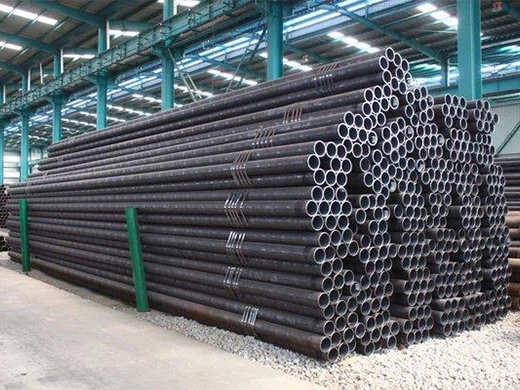
In some cases, it may be necessary to select a different material or modify the tube design to improve erosion resistance. For example, using a tube with a thicker wall can provide more material for erosion before the tube fails. Additionally, changing the flow path or using flow - control devices can reduce the fluid velocity and particle impact on the tube surface.
Conclusion
The erosion resistance of ASTM A179 boiler tubes is a complex but important aspect of their performance. Understanding the factors that affect erosion resistance, such as material composition, surface finish, fluid velocity, and temperature, is crucial for ensuring the long - term reliability and efficiency of boiler systems. While ASTM A179 tubes offer a good balance of properties for many applications, there are ways to further enhance their erosion resistance, such as through coating, filtration, and proper design.
If you are in the market for high - quality ASTM A179 Boiler Tubes or have questions about erosion resistance and tube selection, I encourage you to visit our website to learn more. We are here to assist you in making the best choices for your specific boiler application. Contact us to start a procurement discussion and find the ideal solution for your needs.
References
- ASM Handbook Volume 13A: Corrosion: Fundamentals, Testing, and Protection. ASM International.
- ASTM International standards for A179, A199, and related tube specifications.
- Research papers on erosion and corrosion of boiler tubes in industrial applications.