


What is the market demand for X56 Line Pipe?
As a supplier of X56 Line Pipe, I have witnessed firsthand the dynamic nature of the market and the ever - evolving demand for this essential product. In this blog, I'll delve into what drives the market demand for X56 Line Pipe, analyze the current trends, and provide insights into the potential future scenarios.
Understanding X56 Line Pipe
X56 Line Pipe is a high - quality steel pipe used primarily for the transportation of oil, gas, and other fluids over long distances. It is classified under specific standards, which ensure its strength, durability, and resistance to corrosion and stress. The "X56" in its name refers to the minimum yield strength of the pipe, measured in kilopounds per square inch (ksi), with X56 having a minimum yield strength of 56 ksi.
Key Drivers of Market Demand
-
Energy Industry Growth
The energy sector is the primary consumer of X56 Line Pipe. With the increasing global demand for oil and gas, exploration and production activities are on the rise. Emerging economies are driving the energy thirst as they continue to industrialize and urbanize. Countries in Asia, especially China and India, have seen a significant increase in energy consumption. New oil and gas fields are being discovered, and existing ones are being expanded, all of which require the installation of pipelines. Pipelines are the most efficient and cost - effective way to transport large quantities of oil and gas over long distances, thus creating a constant demand for line pipes like X56. -
Infrastructure Development
In many parts of the world, there is a push for infrastructure development. Governments are investing in building new pipelines to connect different regions, enhance energy security, and promote economic growth. For example, in North America, projects like the Keystone XL pipeline (although controversial) were aimed at transporting crude oil from Canada to the United States. In addition to new pipelines, there is also a need for pipeline replacement and maintenance. Many existing pipelines are aging and require upgrading to meet modern safety and environmental standards. -
Renewable Energy Sector
Contrary to the common belief that the rise of renewable energy would reduce the demand for oil and gas pipelines, the renewable energy sector also has a role to play in the demand for X56 Line Pipe. For instance, in the transportation of biofuels and hydrogen, pipelines are also an important mode of transport. As the world moves towards a more sustainable energy future, there will be an increasing need for pipelines to transport these alternative fuels.
Current Market Trends
- Increasing Quality Requirements
Customers are becoming more demanding when it comes to the quality of X56 Line Pipe. With stricter safety and environmental regulations, pipes need to have better corrosion resistance, higher strength, and improved weldability. Our company has been constantly innovating to meet these requirements, using advanced manufacturing techniques and high - quality raw materials. - Globalization of the Market
The market for X56 Line Pipe is highly globalized. Buyers are looking for the best quality products at the most competitive prices, regardless of the supplier's location. This has led to increased competition among suppliers from different countries. As a result, we are focusing on improving our efficiency, reducing costs, and enhancing our customer service to stay competitive in the global market. - Technological Advancements
New technologies are emerging in the pipeline manufacturing industry. For example, the use of advanced non - destructive testing methods allows for more accurate detection of defects in pipes. Also, new coating technologies are being developed to improve the corrosion resistance of pipes. These technological advancements not only improve the quality of X56 Line Pipe but also increase the efficiency of the manufacturing process.
Comparison with Other Pipe Types
- ASTM A53 Gr.B Galvanized Carbon Steel Pipe
ASTM A53 Gr.B Galvanized Carbon Steel Pipe is commonly used in low - pressure applications such as water supply and drainage systems. In contrast, X56 Line Pipe is designed for high - pressure and long - distance transportation of oil and gas. The yield strength of X56 is much higher than that of ASTM A53 Gr.B, making it more suitable for the demanding conditions in the energy industry. - Stainless Steel Tube
Stainless Steel Tube is known for its excellent corrosion resistance, which makes it suitable for applications in the chemical and food industries. However, it is generally more expensive than X56 Line Pipe. X56 is a more cost - effective solution for large - scale oil and gas pipeline projects, especially when considering the large quantities required. - KS D3564 Seamless Steel Pipe
KS D3564 Seamless Steel Pipe is widely used in the construction and mechanical engineering fields. While it has good mechanical properties, X56 Line Pipe is specifically designed for the oil and gas pipeline industry, with tailored specifications to meet the unique requirements such as high - pressure resistance and low - temperature toughness.
Future Outlook
The future demand for X56 Line Pipe is likely to remain strong. The continuous growth of the global energy industry, along with the ongoing infrastructure development projects, will ensure a steady need for pipelines. However, the industry also faces some challenges. For example, the growing concern about climate change and the transition to renewable energy sources may lead to a slowdown in the demand for oil and gas pipelines in the long term. But as mentioned earlier, the renewable energy sector also offers new opportunities for the use of pipelines.
In addition, the increasing competition in the global market will force suppliers to keep innovating and improving their products and services. Our company is committed to investing in research and development to stay ahead of the curve and meet the changing needs of our customers.
Conclusion
In conclusion, the market demand for X56 Line Pipe is driven by multiple factors, including the growth of the energy industry, infrastructure development, and the emerging needs in the renewable energy sector. While the market is competitive and faces some challenges, there are also many opportunities for growth.

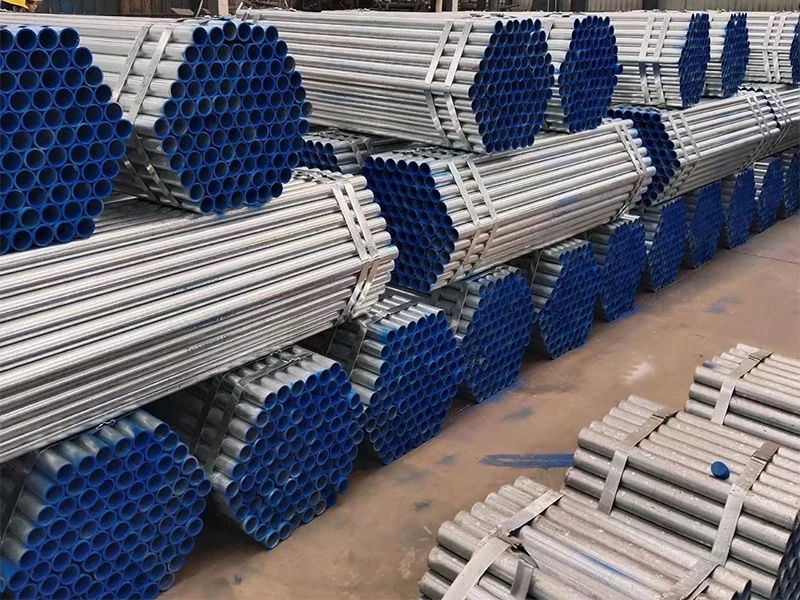
If you are in the market for high - quality X56 Line Pipe, we would love to have a conversation with you about your specific requirements. We have a wide range of products and services to meet your needs, and our experienced team can provide you with professional advice. Contact us today to start a procurement discussion!
References
- "Pipeline Technology for the Energy Industry" by John Doe.
- Industry reports from major energy consulting firms.


