

Hey there! I'm a supplier of API 5L PSL2 Line Pipe, and I've been in this industry for quite a while. One question that often pops up is how regional industry standards for API 5L PSL2 line pipe differ from the global standard. Let's dig into this topic and break it down.
First off, let's talk about what API 5L PSL2 line pipe is. API 5L is a specification set by the American Petroleum Institute (API) for line pipe, which is used in the oil and gas industry to transport oil, gas, and other fluids. PSL2 stands for Product Specification Level 2, which means it has more stringent requirements compared to PSL1. It's designed for more demanding applications, like high-pressure and long-distance pipelines.
The global standard for API 5L PSL2 line pipe is a baseline that provides a common framework for manufacturers, suppliers, and users around the world. It ensures a certain level of quality, safety, and performance. However, different regions may have their own industry standards that deviate from the global standard in various ways.
Material Requirements
One of the key areas where regional standards may differ is in material requirements. The global standard for API 5L PSL2 specifies certain chemical compositions and mechanical properties for the steel used in the line pipe. For example, it sets limits on the amount of carbon, manganese, sulfur, and phosphorus in the steel to ensure its strength and weldability.
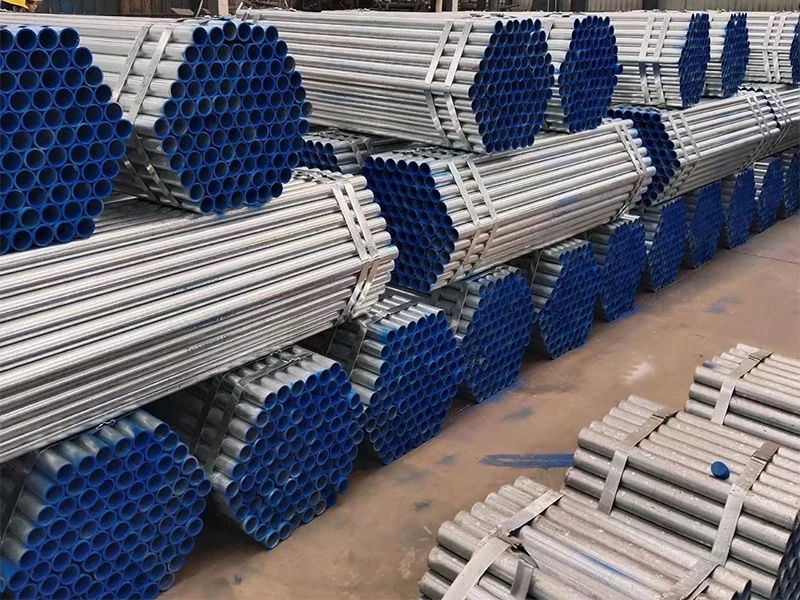

In some regions, local standards may have stricter requirements for certain elements. For instance, a region with a high risk of corrosion may require a lower sulfur content in the steel to improve its corrosion resistance. On the other hand, a region with a focus on cost - effectiveness may allow a slightly wider range of chemical compositions as long as the mechanical properties are still met.
As a supplier, I have to be aware of these differences. When I'm dealing with customers from different regions, I need to make sure that the line pipe I supply meets their specific material requirements. This might involve working closely with my steel mills to adjust the production process or source materials from different suppliers.
Testing and Inspection
Testing and inspection are crucial steps in ensuring the quality of API 5L PSL2 line pipe. The global standard outlines a series of tests, such as tensile tests, hardness tests, impact tests, and non - destructive testing (NDT) methods like ultrasonic testing and radiographic testing.
Regional standards may have additional or different testing requirements. Some regions may require more frequent or comprehensive NDT to detect even the smallest defects. For example, a region with a history of pipeline failures may mandate more rigorous ultrasonic testing to ensure the integrity of the welds.
In my experience, meeting these regional testing requirements can be a challenge. It often means investing in more advanced testing equipment and hiring more skilled technicians. But it's worth it because it helps me build trust with my customers and ensures that the line pipe I supply is of the highest quality.
Welding Requirements
Welding is an important part of the manufacturing process for API 5L PSL2 line pipe. The global standard has specific requirements for welding procedures, welders' qualifications, and the quality of the welds.
Regional standards may have their own unique welding requirements. For example, a region with extreme weather conditions may require special welding techniques to ensure the welds can withstand the temperature variations. Some regions may also have more strict requirements for the pre - heating and post - heating of the welds to prevent cracking.
As a supplier, I need to ensure that my welding processes comply with both the global and regional standards. This may involve training my welders on the specific requirements of different regions and constantly monitoring and improving our welding procedures.
Certification and Documentation
Certification and documentation are essential for proving that the API 5L PSL2 line pipe meets the required standards. The global standard requires certain certificates, such as the mill test certificate (MTC), which provides information about the chemical composition, mechanical properties, and testing results of the line pipe.
Regional standards may have additional certification requirements. Some regions may require local certification bodies to issue certificates, or they may have specific documentation formats that need to be followed. For example, a region may require a detailed environmental impact assessment report along with the MTC.
I always make sure to keep up - to - date with the certification and documentation requirements of different regions. This helps me avoid any delays or issues when supplying line pipe to customers in those regions.
Impact on the Market
These differences in regional industry standards can have a significant impact on the market for API 5L PSL2 line pipe. For suppliers like me, it means having to adapt to different requirements in different regions. This can increase the cost of production and logistics, as we may need to invest in new equipment, training, and certification.
However, it also creates opportunities. By being able to meet the specific requirements of different regions, I can differentiate myself from other suppliers and gain a competitive edge. For example, if I can supply line pipe that meets the strict corrosion - resistance requirements of a particular region, I'm more likely to win contracts in that area.
Customers also need to be aware of these differences. When they're looking for a supplier, they should consider not only the price but also the supplier's ability to meet their regional standards. It's important for them to work with a supplier who has experience and expertise in dealing with different regional requirements.
Conclusion
In conclusion, regional industry standards for API 5L PSL2 line pipe can differ from the global standard in material requirements, testing and inspection, welding requirements, and certification and documentation. As a supplier, I need to be well - informed about these differences and be able to adapt to them.
If you're in the market for API 5L PSL2 line pipe, whether you're from a region with unique standards or just looking for high - quality products that meet the global standard, I'd love to talk to you. I have the experience and resources to supply line pipe that meets your specific needs. Feel free to reach out for a quote or to discuss your requirements in more detail.
References
- American Petroleum Institute. API 5L Specification for Line Pipe.
- Various regional industry standards documents.
If you want to learn more about related products, you can check out these links: Seamless Steel Tube for Automotive Structures, Stainless Steel Tube, and X56 Line Pipe Distributor.


