


As a supplier of ASTM A179 boiler tubes, I often encounter inquiries regarding the fire resistance of these essential components. In this blog post, I aim to delve into the intricacies of the fire resistance of ASTM A179 boiler tubes, exploring the factors that influence it and its significance in various applications.
Understanding ASTM A179 Boiler Tubes
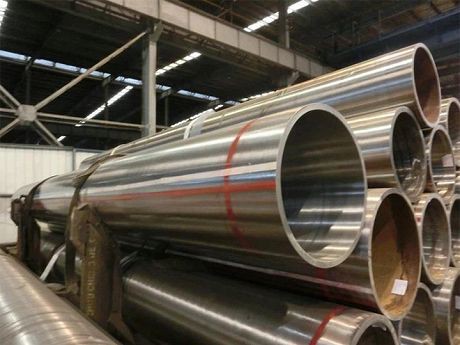
ASTM A179 is a standard specification for seamless cold-drawn low-carbon steel heat-exchanger and condenser tubes. These tubes are widely used in boilers, heat exchangers, and condensers due to their excellent thermal conductivity, corrosion resistance, and mechanical properties. The low carbon content in ASTM A179 tubes makes them suitable for applications where weldability and formability are crucial.
Fire Resistance: A Critical Property
Fire resistance is a vital characteristic of boiler tubes, especially in high-temperature environments such as power plants, industrial boilers, and other heating systems. The ability of a boiler tube to withstand fire and high temperatures without significant degradation is essential for ensuring the safety and reliability of the entire system.
The fire resistance of ASTM A179 boiler tubes is primarily determined by their chemical composition, microstructure, and manufacturing process. The low carbon content in these tubes contributes to their good fire resistance, as carbon can reduce the melting point and increase the susceptibility to oxidation at high temperatures. Additionally, the seamless cold-drawn manufacturing process ensures a uniform microstructure, which enhances the tube's resistance to thermal stress and deformation.

Factors Affecting Fire Resistance
Several factors can influence the fire resistance of ASTM A179 boiler tubes. These include:
- Chemical Composition: The chemical composition of the tube material plays a crucial role in determining its fire resistance. In addition to low carbon content, other alloying elements such as chromium, nickel, and molybdenum can be added to improve the tube's resistance to oxidation and corrosion at high temperatures.
- Microstructure: The microstructure of the tube material affects its mechanical properties and fire resistance. A fine-grained microstructure provides better resistance to thermal stress and deformation, while a coarse-grained microstructure can reduce the tube's fire resistance.
- Temperature and Duration of Exposure: The temperature and duration of exposure to fire or high temperatures are important factors in determining the tube's fire resistance. Higher temperatures and longer exposure times can cause the tube material to undergo phase transformations, oxidation, and creep, which can significantly reduce its strength and integrity.
- Operating Conditions: The operating conditions of the boiler or heating system, such as pressure, flow rate, and the presence of corrosive substances, can also affect the tube's fire resistance. For example, high-pressure and high-flow rate conditions can increase the thermal stress on the tubes, while the presence of corrosive substances can accelerate the oxidation and corrosion of the tube material.
Testing and Certification
To ensure the fire resistance of ASTM A179 boiler tubes, they are typically subjected to various tests and certifications. These tests include:
- Thermal Cycling Tests: Thermal cycling tests simulate the repeated heating and cooling cycles that the tubes may experience during operation. These tests help to evaluate the tube's resistance to thermal stress and fatigue.
- Oxidation Tests: Oxidation tests are conducted to evaluate the tube's resistance to oxidation at high temperatures. These tests involve exposing the tubes to a controlled atmosphere at elevated temperatures for a specified period of time and measuring the weight gain or loss due to oxidation.
- Creep Tests: Creep tests are used to evaluate the tube's resistance to deformation under constant load at high temperatures. These tests involve applying a constant load to the tubes at elevated temperatures and measuring the deformation rate over time.
- Certification Standards: ASTM A179 boiler tubes are typically certified to meet various national and international standards, such as ASTM, ASME, and ISO. These standards specify the requirements for the chemical composition, mechanical properties, and fire resistance of the tubes.
Applications and Benefits
ASTM A179 boiler tubes are widely used in various applications, including:
- Power Plants: In power plants, ASTM A179 boiler tubes are used in boilers, heat exchangers, and condensers to transfer heat from the combustion of fossil fuels or nuclear reactions to the working fluid. The fire resistance of these tubes is crucial for ensuring the safe and efficient operation of the power plant.
- Industrial Boilers: Industrial boilers are used in a wide range of industries, such as chemical, petrochemical, and food processing, to generate steam or hot water for various processes. ASTM A179 boiler tubes are commonly used in these boilers due to their excellent thermal conductivity, corrosion resistance, and fire resistance.
- Heating Systems: In heating systems, ASTM A179 boiler tubes are used to transfer heat from the heat source to the space to be heated. The fire resistance of these tubes is important for ensuring the safety of the heating system and preventing the spread of fire in case of a malfunction.
The benefits of using ASTM A179 boiler tubes include:
- High Fire Resistance: The low carbon content and seamless cold-drawn manufacturing process of ASTM A179 boiler tubes provide them with excellent fire resistance, ensuring the safety and reliability of the system.
- Good Thermal Conductivity: The high thermal conductivity of these tubes allows for efficient heat transfer, reducing energy consumption and operating costs.
- Corrosion Resistance: The low carbon content and the addition of alloying elements in ASTM A179 boiler tubes provide them with good corrosion resistance, extending their service life and reducing maintenance costs.
- Weldability and Formability: The low carbon content in these tubes makes them easy to weld and form, allowing for the fabrication of complex shapes and structures.
Related Products
In addition to ASTM A179 boiler tubes, we also offer a wide range of other products, including Coated Steel Pipe, ASTM A335 Alloy Steel Pipe, and ASTM A178 Boiler Tube. These products are designed to meet the specific requirements of various applications and industries, providing high-quality and reliable solutions for your heating and power generation needs.
Conclusion
The fire resistance of ASTM A179 boiler tubes is a critical property that ensures the safety and reliability of boilers, heat exchangers, and other heating systems. By understanding the factors that influence the tube's fire resistance and conducting appropriate tests and certifications, we can ensure that our products meet the highest standards of quality and performance.
If you are in the market for high-quality ASTM A179 boiler tubes or other related products, please do not hesitate to contact us. Our team of experts is ready to assist you in selecting the right products for your specific needs and providing you with the best possible service and support.
References
- ASTM International. ASTM A179/A179M - 19 Standard Specification for Seamless Cold-Drawn Low-Carbon Steel Heat-Exchanger and Condenser Tubes.
- ASME Boiler and Pressure Vessel Code. Section I - Power Boilers.
- ISO 9001:2015 Quality Management Systems - Requirements.


