


Hey there! As a supplier of JIS G3441 Alloy Steel Tube, I often get asked about various technical aspects of this product. One question that comes up quite frequently is “What is the concentricity of JIS G3441 Alloy Steel Tube?” Let's dig into this topic together.
First off, let's understand what concentricity means in the context of a steel tube. Concentricity refers to how well the center of the inner bore of the tube aligns with the center of the outer diameter. In other words, it's about the evenness of the wall thickness all around the tube. For JIS G3441 Alloy Steel Tube, which is a widely - used alloy steel tube mainly for mechanical and structural applications, concentricity is a crucial quality factor.
When the tube has high concentricity, it means the wall thickness is consistent throughout the length and circumference of the tube. This consistency brings a bunch of benefits. For one, it enhances the tube's mechanical properties. A tube with uniform wall thickness can withstand stress more evenly. In mechanical applications, like in machinery parts or automotive components, a tube with good concentricity ensures reliable performance. It reduces the risk of premature failure due to uneven stress distribution, which is a big deal when you're relying on these tubes for long - term, heavy - duty work.
On the flip side, poor concentricity can spell trouble. If the wall thickness varies significantly, some parts of the tube will be weaker and more prone to damage. This can lead to issues like cracks forming under pressure, which not only affects the functionality of the tube but can also pose safety risks in critical applications.
Now, you might be wondering how we measure the concentricity of JIS G3441 Alloy Steel Tube. There are several methods available. One common way is to use advanced measuring tools such as calipers or micrometers. By taking multiple measurements at different points along the tube's length and circumference, we can calculate the deviation from perfect concentricity. In modern manufacturing, we also use non - contact measurement techniques like laser scanning. These methods can provide highly accurate data about the tube's geometry, allowing us to ensure that the concentricity meets the strict standards set by JIS G3441.
Let's talk a bit about the manufacturing process and how it impacts concentricity. The production of JIS G3441 Alloy Steel Tube involves several steps, such as hot - rolling, cold - drawing, and heat - treating. Each of these processes can influence the final concentricity of the tube.
During hot - rolling, for example, precise control of the rolling mill settings is essential. Any misalignment in the rolls can lead to uneven deformation of the steel, resulting in poor concentricity. The same goes for cold - drawing. If the dies are not properly aligned or if the drawing process is not carefully regulated, it can cause the wall thickness to vary. Heat - treating is also a critical step. Incorrect heat - treatment temperatures or time periods can cause internal stresses in the tube, which might distort the shape and affect concentricity.
As a supplier, we take great care to control these factors. We have a team of experienced engineers who monitor the manufacturing process closely. We use state - of - the - art equipment to ensure that every step is carried out with the highest level of precision. By doing so, we can consistently produce JIS G3441 Alloy Steel Tubes with excellent concentricity.
In the market, there are various types of steel tubes available, each with its own characteristics. For example, if you're looking at related products, you might be interested in the ASTM A513 Alloy Mechanical Tube. This type of tube is also popular in mechanical applications. It has different standards and properties compared to JIS G3441. While ASTM A513 focuses on certain mechanical performance aspects, JIS G3441 has its own specific requirements in terms of alloy composition and geometric dimensions, including concentricity.
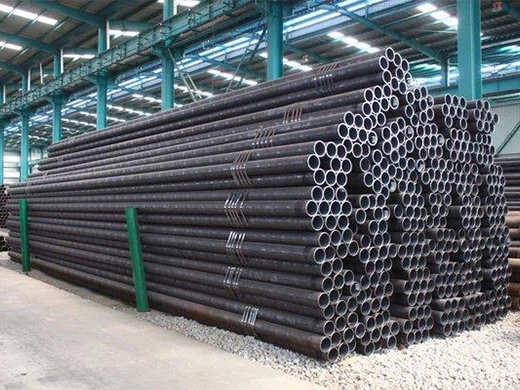

Another option is the ASTM A209 Seamless Alloy Tube. Seamless tubes like these offer advantages in terms of strength and leakage prevention. But again, they have their unique standards and production processes. The concentricity requirements for ASTM A209 might differ from those of JIS G3441, depending on the end - use applications.
If you're in the market for high - quality alloy steel tubes, our JIS G3441 Alloy Steel Tube is a great choice. Our tubes are made to strict standards and have excellent concentricity, which ensures reliable performance in your applications. Whether you're in the automotive, machinery, or construction industry, we can provide tubes that meet your specific needs.
When you choose our JIS G3441 Alloy Steel Tube, you're not just getting a product; you're getting peace of mind. We stand behind the quality of our tubes and offer great customer service. If you have any questions about concentricity, alloy composition, or any other aspect of our products, our team is always here to help.
So, if you're interested in purchasing JIS G3441 Alloy Steel Tube or want to know more about our offerings, don't hesitate to reach out. We're eager to start a conversation and see how we can meet your requirements. Let's work together to find the best solution for your project!
References
- JIS G3441 Standard Documentation
- ASTM A513 Specifications
- ASTM A209 Guidelines


