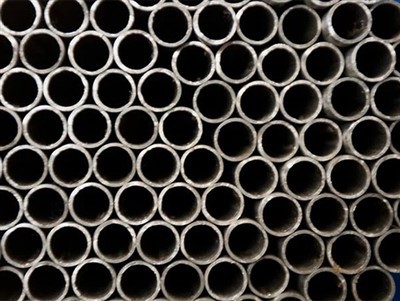

Hey there! As a supplier of X56 Line Pipe, I often get asked if this type of pipe is suitable for offshore applications. Well, let's dive right in and explore this topic.
First off, what exactly is X56 Line Pipe? It's a type of steel pipe that meets certain standards for strength and durability. The "X56" refers to its minimum yield strength, which is 56,000 pounds per square inch (psi). This makes it a pretty tough and reliable option for various pipeline projects.
Now, when it comes to offshore applications, there are a whole bunch of factors we need to consider. Offshore environments are some of the harshest on the planet. You've got to deal with things like saltwater corrosion, high pressures, strong ocean currents, and extreme weather conditions. So, any pipe used in these areas has to be up to the challenge.
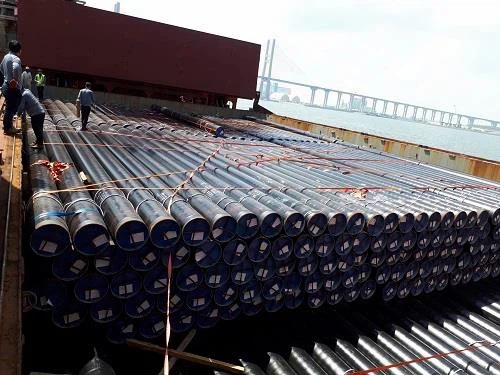

One of the big advantages of X56 Line Pipe is its strength. The high yield strength means it can handle the high pressures that are common in offshore pipelines. Whether it's transporting oil, gas, or other fluids, the pipe needs to be able to withstand the force without bursting or deforming. X56's strength gives it a good shot at doing just that.
Corrosion is another major concern in offshore applications. Saltwater is extremely corrosive, and if a pipe isn't properly protected, it can start to break down over time. X56 Line Pipe can be coated or treated to resist corrosion. There are different types of coatings available, like epoxy or polyethylene, that can provide a barrier between the pipe and the saltwater. This helps to extend the lifespan of the pipe and reduce the risk of leaks or failures.
But it's not all sunshine and rainbows. There are also some potential drawbacks to using X56 Line Pipe in offshore applications. For one thing, it can be more expensive than some other types of pipes. The higher strength and the need for corrosion protection can drive up the cost. And in a project where budgets are tight, that can be a real issue.
Another thing to consider is the installation process. Offshore installations are complex and require specialized equipment and expertise. X56 Line Pipe might be heavier and more difficult to handle compared to some lighter pipes. This can add to the installation time and cost.
When comparing X56 Line Pipe to other options, it's worth looking at similar pipes like X52 Line Pipe and API 5L PSL1 Line Pipe and API 5L PSL2 Line Pipe. X52 has a lower yield strength than X56, so it might not be as suitable for high - pressure applications. API 5L PSL1 and PSL2 have different levels of quality and testing requirements. PSL2 generally has more stringent requirements, which can make it a better choice for more critical offshore projects.
In terms of real - world performance, there have been many successful offshore projects that have used X56 Line Pipe. However, there have also been cases where issues have arisen. It really depends on how well the pipe is designed, manufactured, installed, and maintained.
If you're thinking about using X56 Line Pipe for an offshore project, here are some tips. First, make sure you work with a reputable manufacturer and supplier. At our company, we have strict quality control measures in place to ensure the pipes we supply meet the highest standards. Second, consider the specific requirements of your project. Talk to engineers and experts who have experience in offshore pipeline design. They can help you determine if X56 is the right choice for your particular situation.
In conclusion, X56 Line Pipe can be suitable for offshore applications, but it's not a one - size - fits - all solution. It has its strengths in terms of strength and the ability to be protected against corrosion, but it also has some challenges like cost and installation difficulties. If you're interested in learning more about X56 Line Pipe for your offshore project, don't hesitate to reach out. We're here to answer your questions and help you make the best decision for your pipeline needs.
References:
- API 5L Standard for Line Pipe
- Industry reports on offshore pipeline materials and performance
So, if you're in the market for X56 Line Pipe for your offshore project, let's have a chat and see how we can work together to get you the best - suited pipes for your needs.