


Selecting the appropriate length for ASTM A192 Boiler Tubes is a critical decision that can significantly impact the performance, efficiency, and safety of a boiler system. As a trusted supplier of link to ASTM A192 Boiler Tube, I understand the complexities involved in this process. In this blog, I'll share insights on how you can make an informed choice when it comes to deciding on the right tube length for your specific needs.
Understanding the Basics of ASTM A192 Boiler Tubes
Firstly, let's briefly review what ASTM A192 Boiler Tubes are. These tubes are made from seamless carbon steel and are primarily designed for use in high - pressure boilers. They are known for their excellent strength, durability, and resistance to corrosion under high - temperature and high - pressure conditions. The tubes find wide applications in power generation plants, industrial boilers, and other steam - generating systems.
Factors Influencing the Choice of Tube Length
Boiler Design and Configuration
The design of the boiler is one of the most significant factors when determining the tube length. Different boiler types, such as water - tube boilers and fire - tube boilers, have different requirements. Water - tube boilers, for example, typically require tubes of specific lengths to ensure proper water circulation and heat transfer. The layout of the boiler, including the number of tube passes and the arrangement of headers, also plays a role. A boiler with multiple tube passes may need shorter tubes to facilitate the flow reversal, while a single - pass boiler may allow for longer tubes.
Heat Transfer Requirements
Heat transfer is a fundamental function of boiler tubes. The length of the tube can affect the efficiency of heat exchange between the hot combustion gases and the water or steam inside the tube. Longer tubes generally provide a larger surface area for heat transfer. However, if the tube is too long, the pressure drop along the tube can increase significantly, which may reduce the overall flow rate and thus affect the heat transfer efficiency. Therefore, a balance needs to be struck between the surface area for heat transfer and the pressure drop within the tube.

Installation Constraints
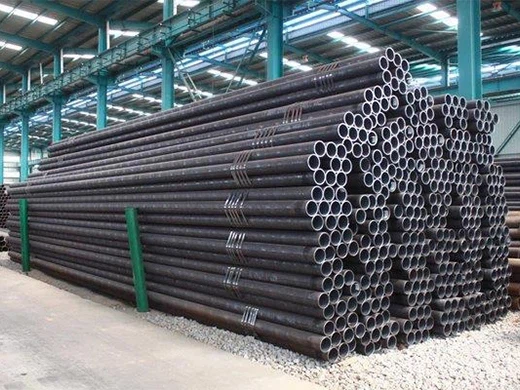
Practical installation considerations cannot be overlooked. The physical space available in the boiler room or the installation site may limit the length of the tubes that can be used. Transporting extremely long tubes can also be challenging and costly, as they may require special handling equipment and transportation arrangements. Additionally, the ease of tube installation and maintenance should be considered. Shorter tubes may be easier to install and replace in case of damage, while longer tubes may require more complex installation procedures.
Operating Pressure and Temperature
The operating pressure and temperature of the boiler system have a direct impact on the tube length. Higher operating pressures and temperatures can cause the tubes to expand and contract. Longer tubes are more prone to thermal expansion and contraction, which can lead to mechanical stress and potential failure. Therefore, in high - pressure and high - temperature applications, shorter tubes may be preferred to reduce the stress caused by thermal effects.
Guidelines for Selecting the Right Tube Length
Consult with Boiler Manufacturers
Boiler manufacturers have in - depth knowledge of their products and can provide valuable advice on the appropriate tube lengths for their specific boiler models. They can consider factors such as the boiler's design, operating conditions, and intended application to recommend the most suitable tube lengths. Working closely with the manufacturer can ensure that the tubes you select are fully compatible with the boiler system.
Conduct a Heat Transfer Analysis
Performing a detailed heat transfer analysis is essential to determine the optimal tube length for efficient operation. This analysis takes into account factors such as the heat transfer coefficient, the flow rate of the working fluid, and the temperature difference between the hot gases and the fluid. By using mathematical models and simulation tools, you can calculate the heat transfer rate for different tube lengths and select the one that meets your heat transfer requirements while minimizing pressure drop.
Consider Future Expansion and Maintenance
When choosing the tube length, it's important to think about future expansion and maintenance needs. If there are plans to expand the boiler capacity in the future, selecting tubes that can be easily modified or replaced can save time and costs. Additionally, shorter tubes are generally easier to access and maintain, which can reduce downtime during maintenance operations.
Comparison with Other Tube Types
It's also worth comparing ASTM A192 Boiler Tubes with other tube types, such as link to JIS G3441 Alloy Steel Tube and link to ASTM A556 Cold Drawn Seamless Heater Tubes. While ASTM A192 tubes are specifically designed for high - pressure boiler applications, JIS G3441 alloy steel tubes may offer different material properties and performance characteristics, which could influence the tube length selection. ASTM A556 cold - drawn seamless heater tubes are excellent for heating applications, and their length requirements may vary based on the heating system design. Understanding these differences can help you make a more informed decision when choosing the right tube length for your specific application.
Conclusion
Selecting the right length for ASTM A192 Boiler Tubes is a multi - faceted process that requires careful consideration of various factors. By understanding the boiler design, heat transfer requirements, installation constraints, and operating conditions, and by consulting with experts and conducting appropriate analyses, you can make an informed choice. As a supplier of ASTM A192 Boiler Tubes, I am committed to providing you with high - quality products and expert advice to help you make the best decision for your boiler system.
Whether you are building a new boiler, upgrading an existing one, or simply replacing worn - out tubes, I encourage you to reach out to discuss your specific requirements. Our team of experts is ready to assist you in choosing the right tube length and ensuring the optimal performance of your boiler system.
References
- "Boiler Engineering Handbook"
- ASTM International Standards for Steel Tubes
- Industry - specific research papers on boiler tube design and performance.




