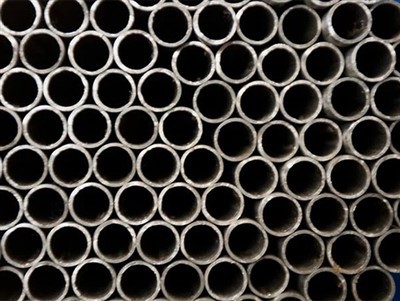

As a seasoned supplier of X56 Line Pipe, I often encounter inquiries about the wall thickness range of this particular type of pipe. Understanding the wall thickness range is crucial as it directly impacts the pipe's performance, durability, and suitability for various applications. In this blog post, I'll delve into the details of the wall thickness range of X56 Line Pipe, shedding light on its significance and how it aligns with different industry requirements.


What is X56 Line Pipe?
Before we dive into the wall thickness range, let's briefly touch on what X56 Line Pipe is. X56 Line Pipe is a high-strength, low-alloy steel pipe commonly used in the oil and gas industry for transporting natural gas, crude oil, and other fluids. The "X56" designation refers to the pipe's minimum yield strength, which is 56,000 pounds per square inch (psi). This high yield strength makes X56 Line Pipe suitable for use in high-pressure applications, ensuring the safe and efficient transportation of fluids over long distances.
Wall Thickness Range of X56 Line Pipe
The wall thickness of X56 Line Pipe can vary depending on several factors, including the pipe's diameter, the specific application, and the industry standards and regulations. Generally, the wall thickness range for X56 Line Pipe falls between 0.125 inches (3.18 mm) and 0.500 inches (12.7 mm). However, it's important to note that this is a general range, and the actual wall thickness may vary based on the specific requirements of the project.
Factors Affecting Wall Thickness
- Pipe Diameter: As the diameter of the pipe increases, the wall thickness typically needs to increase as well to maintain the pipe's structural integrity and withstand the internal pressure. For example, a larger-diameter X56 Line Pipe used in a high-pressure gas transmission line may require a thicker wall compared to a smaller-diameter pipe used in a low-pressure distribution system.
- Application: The specific application of the X56 Line Pipe also plays a significant role in determining the wall thickness. Pipes used in harsh environments, such as offshore oil and gas fields or areas with high seismic activity, may require a thicker wall to withstand the external forces and potential damage. On the other hand, pipes used in less demanding applications, such as water distribution systems, may have a thinner wall.
- Industry Standards and Regulations: The wall thickness of X56 Line Pipe must comply with various industry standards and regulations, such as the American Petroleum Institute (API) standards and the International Organization for Standardization (ISO) standards. These standards specify the minimum wall thickness requirements based on the pipe's diameter, grade, and application to ensure the safety and reliability of the pipeline system.
Importance of Wall Thickness
The wall thickness of X56 Line Pipe is a critical factor that directly affects its performance and durability. Here are some key reasons why the wall thickness is important:
- Pressure Resistance: A thicker wall provides greater resistance to internal pressure, allowing the pipe to safely transport fluids at high pressures without the risk of bursting or leaking. This is particularly important in applications where the fluid being transported is under high pressure, such as in oil and gas pipelines.
- Corrosion Resistance: The wall thickness also plays a role in the pipe's corrosion resistance. A thicker wall provides more material to withstand the corrosive effects of the fluid being transported and the surrounding environment. This helps to extend the lifespan of the pipe and reduce the need for frequent maintenance and replacement.
- Mechanical Strength: A thicker wall enhances the pipe's mechanical strength, making it more resistant to external forces, such as impacts, bending, and crushing. This is especially important in applications where the pipe may be subjected to rough handling or harsh environmental conditions.
Applications of X56 Line Pipe
X56 Line Pipe is widely used in various industries due to its high strength, durability, and corrosion resistance. Some common applications of X56 Line Pipe include:
- Oil and Gas Industry: X56 Line Pipe is commonly used in the oil and gas industry for transporting natural gas, crude oil, and other fluids from the production site to the processing facilities or distribution networks. It is used in both onshore and offshore pipelines, including transmission pipelines, gathering pipelines, and distribution pipelines.
- Water and Wastewater Industry: X56 Line Pipe is also used in the water and wastewater industry for transporting potable water, sewage, and other fluids. It is used in water distribution systems, sewer systems, and industrial water treatment plants.
- Power Generation Industry: X56 Line Pipe is used in the power generation industry for transporting steam, water, and other fluids in power plants. It is used in boiler tubes, condenser tubes, and other components of the power generation system.
Related Products
If you're interested in other types of steel pipes, you may want to check out our Steel Pipes For Water, Steel Tube, and Seamless Stainless Steel Pipe for Automotive Structures. These products offer similar benefits and are suitable for a wide range of applications.
Contact Us for Procurement
If you're in the market for X56 Line Pipe or have any questions about our products, please don't hesitate to contact us. Our team of experts is available to provide you with detailed information, technical support, and competitive pricing. We can also help you select the right wall thickness and other specifications based on your specific requirements. Let's start a conversation and explore how we can meet your procurement needs.
References
- American Petroleum Institute (API). API Specification 5L: Specification for Line Pipe.
- International Organization for Standardization (ISO). ISO 3183: Petroleum and natural gas industries — Steel pipe for pipeline transportation systems.