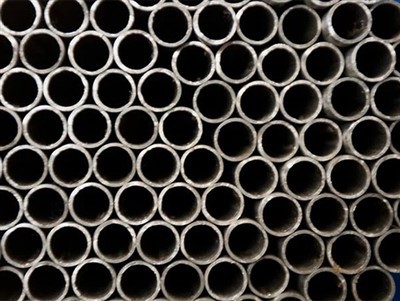

As a supplier of KS D3562 Steel Pipe, one of the most frequently asked questions I receive is about the temperature range for its use. Understanding the appropriate temperature range is crucial for ensuring the optimal performance and longevity of the steel pipe in various applications. In this blog post, I will delve into the details of the temperature range for KS D3562 Steel Pipe, providing you with valuable insights to make informed decisions for your projects.
Understanding KS D3562 Steel Pipe
KS D3562 is a Korean industrial standard for welded steel pipes for general structural purposes. These pipes are widely used in construction, machinery, and other industries due to their excellent mechanical properties, weldability, and corrosion resistance. The standard specifies the requirements for the chemical composition, mechanical properties, dimensions, and testing methods of the steel pipes.
Temperature Range for KS D3562 Steel Pipe
The temperature range for the use of KS D3562 Steel Pipe depends on several factors, including the specific grade of the steel, the application, and the environmental conditions. Generally, KS D3562 Steel Pipe can be used in a wide temperature range, from -20°C to 400°C.
Low-Temperature Applications
At low temperatures, the mechanical properties of steel can change significantly. Steel becomes more brittle, and its impact resistance decreases. Therefore, it is important to select the appropriate grade of KS D3562 Steel Pipe for low-temperature applications. Some grades of KS D3562 Steel Pipe are designed to have good low-temperature toughness, which means they can withstand impact loads at low temperatures without fracturing.
For applications where the temperature drops below -20°C, it is recommended to use steel pipes with a low carbon equivalent and a fine-grained microstructure. These pipes have better low-temperature toughness and are less likely to experience brittle fracture. Additionally, proper insulation and protection measures should be taken to prevent the steel pipe from being exposed to extremely low temperatures for extended periods.
High-Temperature Applications
At high temperatures, the strength and hardness of steel can decrease, and its creep resistance becomes a critical factor. Creep is the gradual deformation of a material under a constant load at high temperatures over time. Therefore, it is important to select the appropriate grade of KS D3562 Steel Pipe for high-temperature applications.
Some grades of KS D3562 Steel Pipe are designed to have good high-temperature strength and creep resistance. These pipes are typically made of alloy steels that contain elements such as chromium, molybdenum, and vanadium, which improve the high-temperature properties of the steel. For applications where the temperature exceeds 400°C, it is recommended to use steel pipes with a high chromium and molybdenum content, as these elements provide better oxidation and corrosion resistance at high temperatures.


Factors Affecting the Temperature Range
In addition to the specific grade of the steel, several other factors can affect the temperature range for the use of KS D3562 Steel Pipe. These factors include:
- Load Conditions: The type and magnitude of the load applied to the steel pipe can affect its performance at different temperatures. For example, a steel pipe subjected to a high static load may have a different temperature range than a pipe subjected to a dynamic load.
- Environmental Conditions: The presence of corrosive substances, such as moisture, chemicals, and gases, can affect the corrosion resistance of the steel pipe at different temperatures. Therefore, it is important to consider the environmental conditions when selecting the appropriate grade of KS D3562 Steel Pipe.
- Welding and Fabrication: The welding and fabrication processes used to join and shape the steel pipe can also affect its performance at different temperatures. Improper welding or fabrication can introduce defects and residual stresses into the steel pipe, which can reduce its strength and toughness at high or low temperatures.
Comparison with Other Steel Pipes
To better understand the temperature range for KS D3562 Steel Pipe, it is useful to compare it with other types of steel pipes commonly used in similar applications. Here are some comparisons with other popular steel pipe standards:
- ASTM A671 EFW Welded Carbon Steel Pipe: ASTM A671 is a standard for electric-fusion-welded carbon steel pipe for use at moderate and elevated temperatures. The temperature range for ASTM A671 steel pipe is typically from -29°C to 427°C, which is similar to that of KS D3562 Steel Pipe.
- KS D3566 Structural Tube: KS D3566 is a Korean standard for welded structural steel tubes. The temperature range for KS D3566 structural tubes is also similar to that of KS D3562 Steel Pipe, typically from -20°C to 400°C.
- ASTM A500 Square Steel Tube: ASTM A500 is a standard for cold-formed welded and seamless carbon steel structural tubing in round, square, and rectangular shapes. The temperature range for ASTM A500 square steel tubes is generally from -29°C to 343°C, which is slightly lower than that of KS D3562 Steel Pipe.
Conclusion
In conclusion, the temperature range for the use of KS D3562 Steel Pipe is generally from -20°C to 400°C, but it can vary depending on several factors, including the specific grade of the steel, the application, and the environmental conditions. When selecting the appropriate grade of KS D3562 Steel Pipe for your project, it is important to consider these factors and consult with a qualified engineer or steel expert.
As a supplier of KS D3562 Steel Pipe, I am committed to providing high-quality products and professional technical support to my customers. If you have any questions or need further information about the temperature range for KS D3562 Steel Pipe or other steel pipe products, please feel free to contact me. I will be happy to assist you in selecting the right steel pipe for your project and ensuring its optimal performance.
References
- Korean Industrial Standard KS D3562: Welded Steel Pipes for General Structural Purposes
- ASTM International Standards: ASTM A671, ASTM A500
- Technical literature and research papers on the properties and applications of steel pipes