


What is the Outer Diameter Tolerance of ASTM A512 Mechanical Tube?
As a supplier of ASTM A512 Mechanical Tube, I've received numerous inquiries regarding the outer diameter tolerance of these tubes. Understanding these tolerances is crucial for various industries that rely on the precision and consistency of mechanical tubes. In this blog post, I'll delve into the details of the outer diameter tolerance of ASTM A512 Mechanical Tube, explaining what it means, why it matters, and how it impacts your projects.
Understanding ASTM A512 Mechanical Tube
ASTM A512 is a specification for cold-drawn welded and seamless carbon steel mechanical tubing. These tubes are commonly used in applications where high precision and good mechanical properties are required, such as in machinery, automotive components, and structural applications. The tubes are available in various sizes and wall thicknesses, and they are produced to meet specific standards to ensure their quality and performance.
Outer Diameter Tolerance Defined
The outer diameter tolerance of a tube refers to the allowable deviation from the specified outer diameter. In other words, it is the range within which the actual outer diameter of the tube can vary while still being considered acceptable according to the ASTM A512 standard. Tolerances are established to account for the natural variations that occur during the manufacturing process, such as differences in raw materials, equipment, and production techniques.
ASTM A512 Outer Diameter Tolerance Requirements
According to the ASTM A512 standard, the outer diameter tolerance for cold-drawn welded and seamless carbon steel mechanical tubing depends on the nominal outer diameter of the tube. The standard provides specific tolerance values for different size ranges, ensuring that the tubes meet the required precision for their intended applications.
For tubes with a nominal outer diameter up to and including 1.6875 inches (42.86 mm), the outer diameter tolerance is ±0.005 inches (±0.127 mm). This tight tolerance allows for high precision in applications where a close fit is required, such as in bearings or hydraulic cylinders.
For tubes with a nominal outer diameter greater than 1.6875 inches (42.86 mm) up to and including 5.000 inches (127.00 mm), the outer diameter tolerance is ±0.010 inches (±0.254 mm). This slightly larger tolerance still provides a high level of precision for most mechanical applications.
For tubes with a nominal outer diameter greater than 5.000 inches (127.00 mm), the outer diameter tolerance is ±0.015 inches (±0.381 mm). While this tolerance is larger than for smaller tubes, it is still within acceptable limits for many industrial applications.
Why Outer Diameter Tolerance Matters
The outer diameter tolerance of ASTM A512 Mechanical Tube is critical for several reasons:

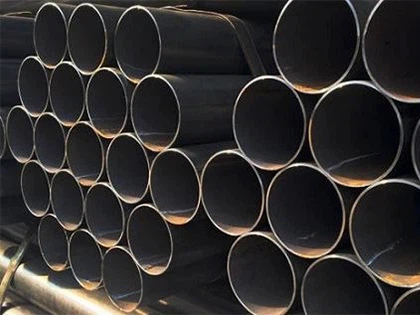
- Fit and Assembly: In applications where tubes need to fit precisely into other components, such as in machinery or automotive assemblies, the outer diameter tolerance ensures a proper fit. A tube with an outer diameter that is outside the specified tolerance may not fit correctly, leading to assembly issues, reduced performance, or even failure of the entire system.
- Functionality: The outer diameter of a tube can affect its functionality, especially in applications where fluid flow or pressure is involved. For example, in hydraulic systems, the outer diameter of the tubes can impact the flow rate and pressure of the hydraulic fluid. Tubes with an outer diameter that is too large or too small may cause issues with the system's performance.
- Quality and Consistency: By adhering to the ASTM A512 outer diameter tolerance requirements, manufacturers can ensure the quality and consistency of their products. Consistent outer diameters across a batch of tubes help to minimize variations in performance and ensure that the tubes meet the required specifications for their intended applications.
Impact on Your Projects
When selecting ASTM A512 Mechanical Tube for your projects, it's important to consider the outer diameter tolerance and how it may impact your specific requirements. Here are some factors to keep in mind:
- Design Considerations: If your project requires a precise fit between the tube and other components, you'll need to ensure that the outer diameter tolerance of the tube is within the acceptable range for your design. This may involve specifying a tighter tolerance or selecting a tube size that is closer to the required outer diameter.
- Manufacturing Processes: The outer diameter tolerance can also affect the manufacturing processes involved in your project. For example, if you need to machine the tube to a specific outer diameter, you'll need to consider the initial outer diameter tolerance and the amount of material that will need to be removed during machining.
- Cost: Tubes with tighter outer diameter tolerances may be more expensive to produce, as they require more precise manufacturing processes and quality control measures. When evaluating the cost of the tubes, it's important to consider the impact of the outer diameter tolerance on your project's overall cost and performance.
Related Products
In addition to ASTM A512 Mechanical Tube, we also offer a range of other high-quality welded steel pipes and tubes. Here are some related products that you may be interested in:
- ASTM A500 Square Steel Tube: This specification covers cold-formed welded and seamless carbon steel structural tubing in square and rectangular shapes. It is commonly used in construction, automotive, and industrial applications.
- EN 10217 Welded Steel Pipe for Pressure Purpose: This European standard specifies the technical delivery conditions for welded steel pipes for pressure purposes. It is suitable for a wide range of applications, including oil and gas, power generation, and water supply.
- ASTM A618 High-Strength Structural Tubing: This specification covers high-strength, low-alloy steel structural tubing for general construction and engineering purposes. It offers excellent strength and durability, making it ideal for use in bridges, buildings, and other structural applications.
Contact Us for Your Tube Needs
If you have any questions about the outer diameter tolerance of ASTM A512 Mechanical Tube or if you're interested in purchasing our products, please don't hesitate to contact us. Our team of experts is available to provide you with detailed information and assistance in selecting the right tubes for your specific requirements. We are committed to providing high-quality products and excellent customer service, and we look forward to working with you on your next project.
References
- ASTM International. (2021). ASTM A512/A512M - 21 Standard Specification for Cold-Drawn Welded and Seamless Carbon Steel Mechanical Tubing.
- ASTM International. (2021). ASTM A500/A500M - 21 Standard Specification for Cold-Formed Welded and Seamless Carbon Steel Structural Tubing in Rounds and Shapes.
- European Committee for Standardization. (2019). EN 10217-1:2019 Welded steel tubes for pressure purposes - Technical delivery conditions - Part 1: Submerged arc welded non-alloy and alloy steel tubes with specified elevated temperature properties.
- ASTM International. (2021). ASTM A618/A618M - 21 Standard Specification for High-Strength, Low-Alloy Structural Tubing.




