


As a supplier of ASTM A179 boiler tubes, I've witnessed firsthand the importance of understanding the impact toughness of these essential components. Impact toughness is a critical property that determines how well a material can withstand sudden, high - energy impacts without fracturing. In the context of ASTM A179 boiler tubes, this characteristic is of utmost significance for ensuring the safety and reliability of boiler systems.
Understanding Impact Toughness
Impact toughness is a measure of a material's ability to absorb energy and deform plastically before fracturing under impact loading. It is influenced by several factors, including the material's composition, microstructure, and temperature. For ASTM A179 boiler tubes, which are typically made of low - carbon steel, the impact toughness is crucial because these tubes are often subjected to various mechanical and thermal stresses during operation.
The microstructure of ASTM A179 boiler tubes plays a vital role in determining their impact toughness. A fine - grained microstructure generally leads to higher impact toughness compared to a coarse - grained one. This is because fine grains can impede the propagation of cracks, allowing the material to absorb more energy before failure. Heat treatment processes can be used to refine the grain structure of the boiler tubes, thereby enhancing their impact toughness.

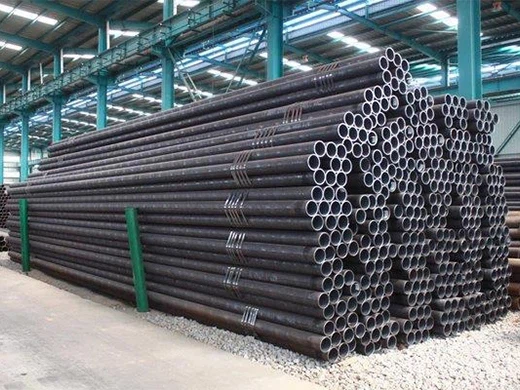
Temperature also has a significant effect on the impact toughness of ASTM A179 boiler tubes. As the temperature decreases, the impact toughness of most materials, including low - carbon steel, tends to decrease. This phenomenon is known as the ductile - brittle transition. At low temperatures, the material becomes more brittle and is more likely to fracture under impact loading. Therefore, it is essential to consider the operating temperature range of the boiler when selecting ASTM A179 tubes to ensure that they have sufficient impact toughness at the expected temperatures.
Importance in Boiler Applications
In boiler systems, ASTM A179 tubes are used to transfer heat from the combustion gases to the water or steam. These tubes are exposed to high - pressure steam, thermal cycling, and occasional mechanical shocks. A tube with poor impact toughness may crack or fracture under these conditions, leading to leaks, reduced efficiency, and potentially dangerous situations.
For example, during start - up and shut - down procedures of a boiler, the tubes experience rapid temperature changes. This thermal cycling can induce significant stresses in the tubes. If the tubes do not have adequate impact toughness, these stresses can cause cracks to initiate and propagate, eventually leading to tube failure. Moreover, in the event of a sudden pressure surge or a mechanical impact, such as from vibrations or foreign objects, a tube with low impact toughness is more likely to fail catastrophically.
Reliable impact toughness also ensures the long - term performance of the boiler. Boiler tubes are expected to operate for extended periods without major maintenance. By having high impact toughness, the tubes can better withstand the cumulative effects of repeated loading and environmental factors, reducing the frequency of tube replacements and downtime for the boiler system.
Testing Impact Toughness
To ensure the quality and impact toughness of ASTM A179 boiler tubes, various testing methods are employed. One of the most common tests is the Charpy impact test. In this test, a notched specimen of the tube material is struck by a pendulum hammer, and the energy absorbed during fracture is measured. The absorbed energy is an indication of the material's impact toughness.
The Charpy test results are typically reported in joules (J). Higher values of absorbed energy indicate better impact toughness. The test is usually conducted at different temperatures to determine the ductile - brittle transition temperature of the material. This information is crucial for selecting the appropriate ASTM A179 tubes for specific boiler applications, especially in environments where low - temperature operation is expected.
In addition to the Charpy test, other non - destructive testing methods can also be used to detect any pre - existing flaws or defects in the tubes that may affect their impact toughness. Ultrasonic testing, for example, can be used to detect internal cracks or inclusions in the tube material. By identifying these defects early, appropriate measures can be taken to prevent tube failure.
Comparison with Other Tube Types
When considering the impact toughness of ASTM A179 boiler tubes, it is useful to compare them with other types of tubes used in similar applications. For instance, Alloy Steel Pipe may offer different levels of impact toughness compared to ASTM A179 tubes. Alloy steel pipes often contain alloying elements such as chromium, nickel, and molybdenum, which can enhance their strength, hardness, and impact toughness. However, these alloying elements also increase the cost of the pipes.
ASTM A556 Cold Drawn Seamless Heater Tubes are another alternative. These tubes are designed for use in heaters and have specific requirements for heat transfer and mechanical properties. While they may have good heat transfer characteristics, their impact toughness may vary depending on the manufacturing process and material composition.
JIS G3441 Alloy Steel Tube is also a popular choice in some regions. These tubes are manufactured according to Japanese industrial standards and may have different chemical compositions and mechanical properties compared to ASTM A179 tubes. The impact toughness of JIS G3441 tubes can be tailored through appropriate alloying and heat treatment processes, but they may also come with different cost and availability considerations.
How We Ensure High Impact Toughness
As a supplier of ASTM A179 boiler tubes, we take several steps to ensure that our tubes have high impact toughness. First, we source high - quality raw materials from reputable suppliers. The chemical composition of the raw steel is carefully controlled to ensure that it meets the requirements of ASTM A179. We also conduct in - house inspections of the raw materials to check for any visible defects or inconsistencies.
Our manufacturing process includes advanced heat treatment techniques to refine the grain structure of the tubes. This not only improves the impact toughness but also enhances other mechanical properties such as strength and ductility. After manufacturing, each tube undergoes rigorous quality control tests, including the Charpy impact test and non - destructive testing methods. Only tubes that meet our strict quality standards are released for sale.
We also work closely with our customers to understand their specific requirements. By considering the operating conditions of their boiler systems, such as temperature, pressure, and potential impact sources, we can recommend the most suitable ASTM A179 tubes with the appropriate impact toughness.
Conclusion
The impact toughness of ASTM A179 boiler tubes is a critical property that directly affects the safety, reliability, and performance of boiler systems. Understanding the factors that influence impact toughness, such as microstructure, temperature, and manufacturing processes, is essential for selecting the right tubes for specific applications. Through proper testing and quality control measures, we can ensure that our ASTM A179 tubes have high impact toughness and meet the stringent requirements of the boiler industry.
If you are in need of high - quality ASTM A179 boiler tubes with excellent impact toughness for your boiler system, we invite you to contact us for a detailed discussion about your requirements. Our team of experts is ready to assist you in selecting the most suitable tubes and providing you with the best solutions for your boiler applications.
References
- ASME Boiler and Pressure Vessel Code, Section I: Rules for Construction of Power Boilers
- ASTM International, ASTM A179/A179M - 20 Standard Specification for Seamless Cold - Drawn Low - Carbon Steel Heat - Exchanger and Condenser Tubes
- Callister, W. D., & Rethwisch, D. G. (2017). Materials Science and Engineering: An Introduction. Wiley.




