


Hey there! As a supplier of ASTM A178 Boiler Tubes, I often get asked about the corrosion resistance of these tubes. So, I thought I'd take a moment to break it down for you.
What is ASTM A178 Boiler Tube?
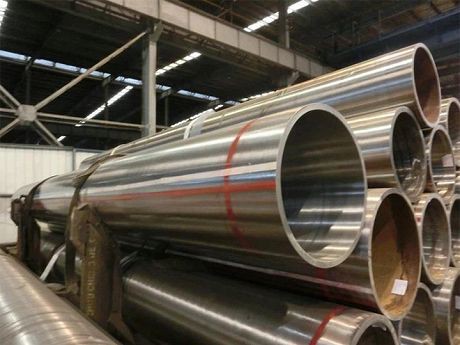
First off, let's talk a bit about what ASTM A178 Boiler Tubes are. These tubes are mainly used in boiler and heat - exchanger applications. They're made from carbon steel and are known for their good mechanical properties and relatively low cost, which makes them a popular choice in many industrial settings.
Corrosion Mechanisms in Boiler Tubes
Before we dive into the corrosion resistance of ASTM A178 Boiler Tubes, it's important to understand the common corrosion mechanisms that can affect them.
Oxidation
Oxidation is one of the most common forms of corrosion in boiler tubes. When the tube is exposed to high - temperature steam and oxygen, the iron in the carbon steel reacts with oxygen to form iron oxide (rust). This can gradually weaken the tube over time and reduce its efficiency. For example, in a boiler where the water contains dissolved oxygen, the oxygen can react with the inner surface of the tube, leading to oxidation.
Pitting Corrosion
Pitting corrosion is another issue. It occurs when small, localized holes or pits form on the surface of the tube. This can be caused by impurities in the water, such as chlorides. Chlorides can break down the protective oxide layer on the tube surface, allowing the underlying metal to corrode. Once a pit forms, it can act as a stress concentrator, increasing the risk of tube failure.
Stress - Corrosion Cracking
Stress - corrosion cracking happens when a combination of tensile stress and a corrosive environment cause cracks to form in the tube. In a boiler, the tubes are under high pressure and temperature, which creates stress. If the water chemistry is not properly controlled and contains certain corrosive agents, stress - corrosion cracking can occur. This is a particularly dangerous form of corrosion because the cracks can propagate quickly and lead to sudden tube failure.
Corrosion Resistance of ASTM A178 Boiler Tubes
Now, let's get to the main point: the corrosion resistance of ASTM A178 Boiler Tubes.
The corrosion resistance of these tubes is somewhat limited compared to some other types of alloy tubes. Since they're made of carbon steel, they're more susceptible to oxidation and other forms of corrosion. However, their corrosion resistance can be improved through several methods.
Water Treatment
One of the most effective ways to improve the corrosion resistance of ASTM A178 Boiler Tubes is through proper water treatment. This involves removing impurities such as dissolved oxygen, chlorides, and hardness - causing minerals from the water. For example, deaeration can be used to remove dissolved oxygen, and water softeners can be used to remove calcium and magnesium ions. By controlling the water chemistry, the risk of oxidation, pitting corrosion, and stress - corrosion cracking can be significantly reduced.
Coatings
Applying coatings to the tubes can also enhance their corrosion resistance. There are different types of coatings available, such as Coated Steel Pipe. These coatings act as a barrier between the metal surface of the tube and the corrosive environment. For instance, a polymer coating can prevent oxygen and water from reaching the metal, reducing the likelihood of oxidation.
Material Selection and Alloying
In some cases, alloying elements can be added to the carbon steel to improve its corrosion resistance. Although ASTM A178 is a carbon - steel specification, there are other related alloys that offer better corrosion resistance. For example, ASTM A335 Alloy Steel Pipe contains alloying elements like chromium, molybdenum, and vanadium, which can form a more protective oxide layer on the surface and increase the tube's resistance to corrosion. And ASTM A209 Seamless Alloy Tube also has better corrosion - resistant properties due to its alloy composition.
Factors Affecting Corrosion Resistance
Several factors can affect the corrosion resistance of ASTM A178 Boiler Tubes in real - world applications.
Temperature
High temperatures can accelerate the corrosion process. In a boiler, the tubes are exposed to very high - temperature steam, which can increase the rate of oxidation and other corrosion reactions. As the temperature rises, the chemical reactions between the metal and the corrosive agents become faster, leading to more rapid corrosion.
Pressure
Pressure can also play a role. High pressure can cause the water to penetrate into small cracks or pores in the tube surface, increasing the risk of stress - corrosion cracking. Additionally, pressure can affect the solubility of gases in the water, which can impact the corrosion process.

Water Chemistry
As mentioned earlier, water chemistry is a crucial factor. The pH level, the presence of dissolved oxygen, chlorides, and other impurities can all have a significant impact on the corrosion resistance of the tubes. For example, a low pH (acidic water) can increase the rate of corrosion, while a high pH can sometimes help form a more protective oxide layer.
How We Ensure Quality and Corrosion Resistance
As a supplier of ASTM A178 Boiler Tubes, we take several steps to ensure the quality and corrosion resistance of our products.
We work closely with our customers to understand their specific requirements and provide appropriate recommendations for water treatment and corrosion prevention. We also source our materials from reliable suppliers and conduct rigorous quality control tests. This includes checking the chemical composition of the steel, the mechanical properties of the tubes, and the surface finish.
In addition, we offer technical support to our customers. If they encounter any corrosion - related issues, our team of experts can help them analyze the problem and come up with solutions.
Conclusion
In conclusion, the corrosion resistance of ASTM A178 Boiler Tubes is a complex topic. While they're made of carbon steel and have some limitations in terms of corrosion resistance, proper water treatment, coatings, and in some cases, alloying can improve their performance.
If you're in the market for ASTM A178 Boiler Tubes or have any questions about their corrosion resistance, don't hesitate to reach out. We're here to help you find the best solutions for your boiler and heat - exchanger applications. Let's start a conversation about your needs and how we can work together to ensure the long - term performance of your equipment.
References
- ASM Handbook, Volume 13A: Corrosion: Fundamentals, Testing, and Protection
- Boiler Operation Handbook, various editions
- Standards and guidelines from ASTM International related to boiler tubes and corrosion prevention.


