


As a supplier of X52 Line Pipe, I often encounter inquiries regarding the compatibility of this pipe with different fluids. Understanding this compatibility is crucial for ensuring the efficient and safe operation of pipelines in various industries. In this blog, I will delve into the details of how X52 Line Pipe interacts with different types of fluids, providing insights based on scientific knowledge and practical experience.
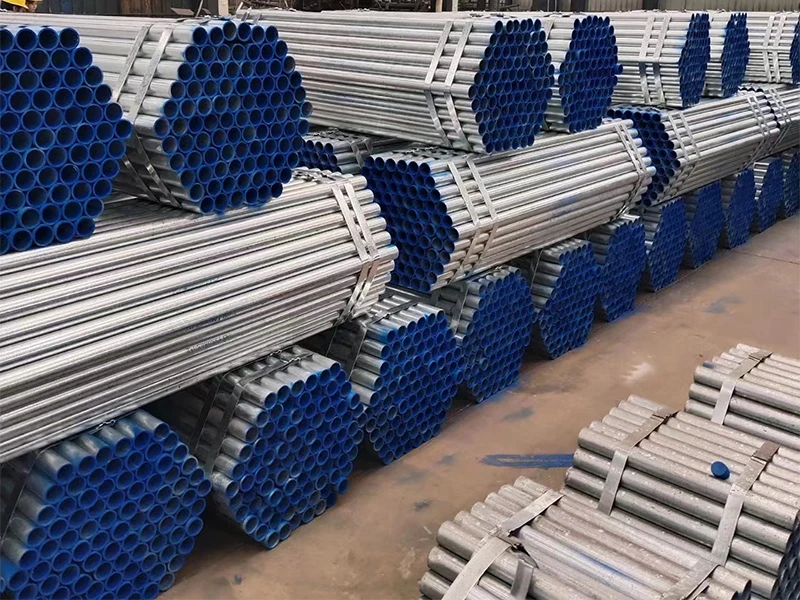

Understanding X52 Line Pipe
Before discussing its compatibility with fluids, let's briefly understand what X52 Line Pipe is. X52 is a grade of steel pipe specified by the API (American Petroleum Institute) 5L standard. It has a minimum yield strength of 52,000 psi (pounds per square inch), making it suitable for a wide range of applications, especially in the oil and gas industry. The pipe is commonly used for transporting crude oil, natural gas, and other fluids over long distances.
Compatibility with Hydrocarbon Fluids
One of the primary applications of X52 Line Pipe is in the transportation of hydrocarbon fluids such as crude oil and natural gas. These fluids are generally compatible with X52 steel due to its corrosion - resistant properties. Crude oil, which is a complex mixture of hydrocarbons, contains various components such as paraffins, aromatics, and asphaltenes. X52 steel can withstand the chemical environment created by these components under normal operating conditions.
However, some crude oils may contain impurities such as sulfur compounds. High - sulfur crude oils can pose a challenge as sulfur can react with the steel surface, leading to corrosion. To mitigate this, protective coatings or corrosion inhibitors are often applied to the inner surface of the X52 Line Pipe. For instance, epoxy coatings can act as a barrier between the steel and the corrosive components in the crude oil, preventing direct contact and reducing the risk of corrosion.
Natural gas, on the other hand, is relatively less corrosive compared to crude oil. It mainly consists of methane, along with small amounts of other hydrocarbons and non - hydrocarbon gases such as carbon dioxide and nitrogen. X52 Line Pipe can handle natural gas transportation effectively. But when natural gas contains carbon dioxide and water vapor, it can form carbonic acid, which is corrosive to steel. In such cases, proper dehydration and gas treatment processes are employed to remove water vapor, and corrosion - resistant alloys or coatings can be used to protect the pipe.
Compatibility with Water - Based Fluids
Water is another common fluid that X52 Line Pipe may come into contact with. Freshwater is generally less corrosive to X52 steel, but it can still cause corrosion over time, especially if it contains dissolved oxygen. Oxygen in water can react with the steel surface, leading to the formation of iron oxides (rust). To prevent this, cathodic protection systems are often installed. Cathodic protection works by making the X52 Line Pipe the cathode in an electrochemical cell, which reduces the rate of corrosion.
Saltwater, on the other hand, is much more corrosive than freshwater due to the presence of dissolved salts such as sodium chloride. The chloride ions in saltwater can break down the passive oxide layer on the steel surface, accelerating the corrosion process. When using X52 Line Pipe for saltwater transportation, special measures are required. For example, using a higher - grade corrosion - resistant alloy or applying a thick and durable coating can help protect the pipe from the aggressive saltwater environment.
Compatibility with Chemical Fluids
In industrial applications, X52 Line Pipe may also be used to transport various chemical fluids. The compatibility of X52 steel with chemical fluids depends on the nature of the chemicals. For example, some acids and alkalis can be highly corrosive to X52 steel. Strong acids such as hydrochloric acid and sulfuric acid can react vigorously with the steel, dissolving the metal and causing rapid corrosion.
However, for less aggressive chemicals such as some organic solvents, X52 Line Pipe may be suitable. Organic solvents like toluene and xylene generally do not react with X52 steel under normal conditions. But it is still important to conduct compatibility tests before using the pipe for transporting these chemicals to ensure long - term performance.
Impact of Temperature and Pressure
The compatibility of X52 Line Pipe with different fluids is also affected by temperature and pressure. Higher temperatures can accelerate chemical reactions, increasing the rate of corrosion. For example, in a high - temperature environment, the reaction between sulfur compounds in crude oil and X52 steel may occur more rapidly. Similarly, high pressure can also affect the integrity of the pipe. It can cause mechanical stress on the pipe wall, and if combined with a corrosive fluid, it can lead to stress - corrosion cracking.
Therefore, when designing a pipeline system using X52 Line Pipe, it is essential to consider the operating temperature and pressure conditions. The pipe should be selected and installed in a way that can withstand these conditions while maintaining its compatibility with the transported fluid.
Importance of Quality Assurance
As a supplier of X52 Line Pipe, quality assurance is of utmost importance. We ensure that our pipes meet the strict API 5L standards. API 5L PSL1 Line Pipe is one of our key products, which undergoes rigorous testing to ensure its mechanical properties and chemical composition are within the specified range. This helps to guarantee the compatibility of the pipe with different fluids.
In addition, we also offer a variety of options to enhance the pipe's performance. For example, our Seam - free Stainless Steel Tube for Automotive Structures can be used in some applications where higher corrosion resistance is required. And our Steel Tubes come in different sizes and specifications to meet the diverse needs of our customers.
Conclusion
In conclusion, the compatibility of X52 Line Pipe with different fluids is a complex issue that depends on multiple factors such as the nature of the fluid, temperature, pressure, and the presence of impurities. While X52 steel has good general corrosion - resistant properties, special measures may be required to ensure its long - term performance when dealing with corrosive fluids.
As a reliable supplier of X52 Line Pipe, we are committed to providing high - quality products and solutions to meet the needs of our customers. Whether you are in the oil and gas industry, water treatment, or chemical transportation, we can offer the right pipe and support for your project. If you are interested in our X52 Line Pipe or have any questions about its compatibility with specific fluids, please feel free to contact us for further discussion and procurement negotiation.
References
- API 5L Specification for Line Pipe, American Petroleum Institute.
- Corrosion Handbook, NACE International.
- Pipeline Engineering and Construction Handbook, Gulf Publishing Company.




