


Welding is a critical process when it comes to the installation and maintenance of ASTM A178 Boiler Tubes. As a trusted supplier of these tubes, I understand the importance of proper welding techniques and precautions to ensure the safety and efficiency of boiler systems. In this blog post, I will share some essential welding precautions for ASTM A178 Boiler Tubes.
Understanding ASTM A178 Boiler Tubes
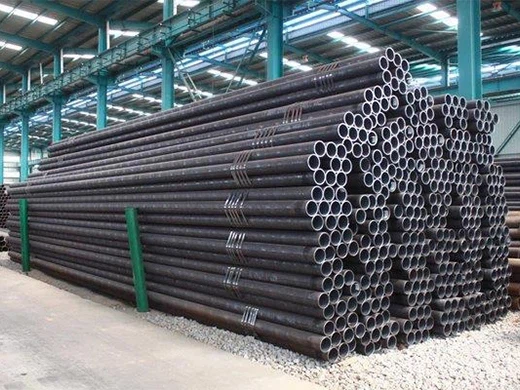
ASTM A178 Boiler Tubes are carbon steel tubes primarily used in low- and intermediate-pressure boilers. These tubes are designed to withstand high temperatures and pressures, making them suitable for various boiler applications. However, the welding process can significantly affect the performance and integrity of these tubes. Therefore, it is crucial to follow specific precautions during welding to maintain the quality of the tubes.

Pre-Welding Precautions
Material Inspection
Before starting the welding process, it is essential to inspect the ASTM A178 Boiler Tubes thoroughly. Check for any visible defects such as cracks, scratches, or dents on the tube surface. These defects can weaken the tube and lead to failure during operation. Additionally, verify the material specifications of the tubes to ensure they meet the required standards. This includes checking the chemical composition, wall thickness, and outer diameter of the tubes.
Cleaning the Tubes
Cleanliness is crucial in welding. Any contaminants on the tube surface can cause porosity, inclusions, or other welding defects. Use a suitable cleaning method to remove dirt, oil, grease, and rust from the tube ends. You can use a wire brush, solvent cleaning, or abrasive blasting to clean the tubes. Make sure to clean the area within at least 1 inch from the welding joint.
Joint Preparation
Proper joint preparation is essential for a strong and reliable weld. The joint design should be appropriate for the thickness of the tubes and the welding process used. Common joint designs for boiler tubes include butt joints, socket joints, and fillet joints. Ensure that the tube ends are cut square and beveled if required. The bevel angle and root face should be consistent to ensure proper fusion during welding.
Preheating
Preheating is often required when welding ASTM A178 Boiler Tubes. Preheating helps to reduce the cooling rate of the weld, which can prevent the formation of hard and brittle microstructures. It also helps to reduce the risk of cracking and improve the weld quality. The preheating temperature depends on the thickness of the tubes, the welding process, and the ambient temperature. Consult the welding procedure specification (WPS) for the recommended preheating temperature.
Welding Process Precautions
Selecting the Right Welding Process
There are several welding processes available for welding ASTM A178 Boiler Tubes, including shielded metal arc welding (SMAW), gas tungsten arc welding (GTAW), and gas metal arc welding (GMAW). Each welding process has its advantages and disadvantages. Select the welding process based on the tube thickness, joint design, and the required weld quality. For example, GTAW is often preferred for thin-walled tubes and high-quality welds, while SMAW is suitable for thicker tubes and field welding.
Welding Consumables
The choice of welding consumables is crucial for achieving a strong and reliable weld. Select the welding electrodes or filler metals that are compatible with the ASTM A178 Boiler Tubes. The consumables should have similar chemical composition and mechanical properties to the base metal. Follow the manufacturer's recommendations for the selection and storage of welding consumables.
Welding Parameters
Proper welding parameters are essential for a good weld. The welding parameters include welding current, voltage, travel speed, and gas flow rate (for gas-shielded welding processes). These parameters should be adjusted based on the tube thickness, joint design, and welding process. Incorrect welding parameters can result in poor weld quality, such as lack of fusion, excessive penetration, or porosity. Refer to the WPS for the recommended welding parameters.
Welding Technique
The welding technique also plays a significant role in the quality of the weld. Use a consistent welding technique to ensure uniform weld bead formation. Avoid excessive weaving or erratic movement during welding, as this can cause uneven heat distribution and lead to welding defects. Maintain a proper electrode or torch angle and travel speed to ensure good fusion and penetration.
Post-Welding Precautions
Post-Weld Heat Treatment (PWHT)
Post-weld heat treatment is often required for ASTM A178 Boiler Tubes to relieve residual stresses and improve the mechanical properties of the weld. PWHT involves heating the welded joint to a specific temperature and holding it for a certain period of time, followed by controlled cooling. The PWHT parameters depend on the tube thickness, welding process, and the required properties of the weld. Consult the WPS for the recommended PWHT procedure.
Weld Inspection
After welding, it is essential to inspect the weld to ensure its quality. Visual inspection is the most common method of weld inspection. Check for any visible defects such as cracks, porosity, lack of fusion, or excessive penetration. Non-destructive testing (NDT) methods such as ultrasonic testing (UT), radiographic testing (RT), and magnetic particle testing (MT) can also be used to detect internal defects in the weld.
Corrosion Protection
Once the weld has been inspected and approved, it is important to protect it from corrosion. Apply a suitable corrosion protection coating to the welded joint to prevent rust and corrosion. The coating should be compatible with the operating environment of the boiler.
Related Boiler Tubes
In addition to ASTM A178 Boiler Tubes, we also supply other types of boiler tubes, such as ASTM A192 Boiler Tube, ASTM A423 Low Alloy Steel Economizer Tubes, and JIS G3441 Alloy Steel Tube. These tubes have different properties and applications, and our team can help you select the right tube for your specific needs.
Conclusion
Welding ASTM A178 Boiler Tubes requires careful attention to detail and strict adherence to welding precautions. By following the pre-welding, welding process, and post-welding precautions outlined in this blog post, you can ensure the quality and reliability of the welds. If you have any questions or need further information about ASTM A178 Boiler Tubes or welding, please feel free to contact us. We are here to help you with your boiler tube needs and provide you with the best solutions.
References
- American Society for Testing and Materials (ASTM) standards for A178 Boiler Tubes.
- Welding Procedure Specifications (WPS) for ASTM A178 Boiler Tubes.
- Industry best practices for boiler tube welding.




