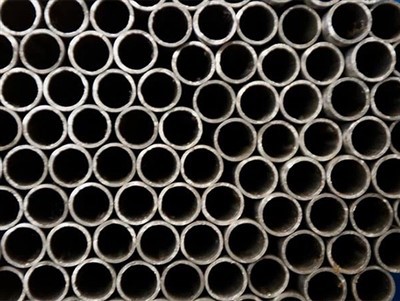

In the dynamic landscape of the steel industry, the production of JIS G3466 Structural Pipe is undergoing a revolutionary transformation, fueled by the integration of cutting - edge technologies. As a prominent supplier of JIS G3466 Structural Pipe, I am excited to delve into the new technologies that are reshaping the production process, enhancing product quality, and driving efficiency.
Advanced Material Selection and Quality Control
One of the cornerstones of producing high - quality JIS G3466 Structural Pipe lies in the meticulous selection of raw materials. New technologies have enabled us to analyze and source the most suitable steel grades with greater precision. Advanced spectroscopy techniques, such as optical emission spectroscopy (OES), allow for rapid and accurate chemical analysis of the steel. This technology can detect even trace elements in the steel, ensuring that the material meets the strict chemical composition requirements of JIS G3466 standards.
In addition to chemical analysis, non - destructive testing (NDT) methods have become more sophisticated. Ultrasonic testing (UT), magnetic particle testing (MT), and radiographic testing (RT) are now used at multiple stages of the production process. UT can detect internal flaws such as cracks and inclusions deep within the pipe walls, while MT is highly effective in detecting surface and near - surface defects. RT provides detailed images of the internal structure of the pipe, enabling us to identify any potential issues that could compromise the structural integrity of the product. These advanced NDT techniques help us maintain a high level of quality control and ensure that only pipes of the highest quality reach our customers.
Precision Manufacturing Processes
The manufacturing of JIS G3466 Structural Pipe has witnessed significant advancements in precision. Computer - numerical control (CNC) technology has revolutionized the pipe - making process. CNC machines can precisely control the cutting, bending, and welding operations, resulting in pipes with consistent dimensions and high - quality finishes. For example, in the cutting process, CNC plasma cutting machines can make clean and accurate cuts, reducing waste and improving the overall efficiency of the production line.
Automated welding systems are another key technology in the production of JIS G3466 Structural Pipe. Submerged arc welding (SAW) is widely used due to its high deposition rate and excellent weld quality. Modern SAW systems are equipped with advanced control algorithms that can adjust the welding parameters in real - time based on the thickness of the pipe wall, the welding speed, and other factors. This ensures a uniform and strong weld, which is crucial for the structural performance of the pipe. Moreover, robotic welding systems have been introduced to further enhance the precision and repeatability of the welding process. These robots can work continuously without fatigue, reducing the risk of human error and improving the overall productivity of the production line.
Smart Production Management
The concept of Industry 4.0 has made its way into the production of JIS G3466 Structural Pipe. Smart sensors and the Internet of Things (IoT) are being used to monitor and manage the production process in real - time. Sensors can be installed on various equipment, such as rolling mills, welding machines, and testing devices, to collect data on parameters such as temperature, pressure, vibration, and production speed. This data is then transmitted to a central control system, where it can be analyzed using advanced analytics software.
By analyzing the data, we can identify potential issues before they cause significant problems. For example, if a sensor detects an abnormal increase in the temperature of a welding machine, the system can automatically alert the operators and adjust the welding parameters to prevent overheating and ensure the quality of the weld. Additionally, smart production management systems can optimize the production schedule based on real - time data, reducing downtime and improving the overall efficiency of the production line.
Environmental Sustainability Technologies
In today's world, environmental sustainability is a top priority. New technologies are being adopted in the production of JIS G3466 Structural Pipe to reduce the environmental impact. One such technology is the use of energy - efficient equipment. For example, modern rolling mills are designed with advanced motors and control systems that consume less energy while maintaining high production rates.


Recycling and waste management technologies have also been improved. Steel scrap generated during the production process can be recycled and reused, reducing the need for virgin steel production. Additionally, advanced wastewater treatment systems are used to treat and recycle the water used in the production process, minimizing water consumption and reducing the discharge of pollutants into the environment.
Comparison with Related Products
When considering structural pipes, it's important to be aware of related products in the market. For instance, KS D3566 Structural Tube Quotation offers an alternative option with its own set of standards and specifications. While JIS G3466 focuses on specific Japanese industrial standards, KS D3566 is based on Korean standards. The production technologies for KS D3566 may have some similarities with JIS G3466, but there could also be differences in terms of material selection, manufacturing processes, and quality control.
Another related product is ASTM A252 Steel Pipe Piles. These pipe piles are designed for use in foundation applications, and their production may involve different technologies and requirements compared to JIS G3466 Structural Pipe. ASTM A252 has its own set of standards for strength, durability, and corrosion resistance, which are tailored to the specific needs of pile foundations.
ASTM A671 EFW Welded Carbon Steel Pipe is yet another product in the structural pipe category. It is known for its electric - fusion - welded construction and is often used in various industrial applications. The production of ASTM A671 pipes may involve different welding techniques and quality control measures compared to JIS G3466 pipes.
Conclusion
The production of JIS G3466 Structural Pipe is being transformed by a range of new technologies. From advanced material selection and quality control to precision manufacturing processes, smart production management, and environmental sustainability technologies, these innovations are enabling us to produce pipes of the highest quality, with greater efficiency and reduced environmental impact.
As a supplier of JIS G3466 Structural Pipe, we are committed to staying at the forefront of these technological advancements. We continuously invest in research and development to improve our production processes and offer our customers the best possible products. If you are in the market for high - quality JIS G3466 Structural Pipe, we invite you to contact us for a detailed discussion about your requirements. Our team of experts is ready to assist you in finding the perfect solution for your projects.
References
- ASM International. (2004). ASM Handbook: Volume 6: Welding, Brazing, and Soldering. ASM International.
- American Society for Testing and Materials. (2019). ASTM A252/A252M - 19 Standard Specification for Welded and Seamless Steel Pipe Piles. ASTM International.
- Japanese Industrial Standards Committee. (2019). JIS G3466: 2019 Carbon Steel Welded Structural Pipes. Japanese Standards Association.