
Hey there! I'm a supplier of X70 Line Pipe, and I've been getting a lot of questions lately about the installation requirements for this type of pipe. So, I thought I'd put together this blog post to share some insights and help you understand what it takes to install X70 Line Pipe correctly.
First off, let's talk a bit about what X70 Line Pipe is. It's a high-strength steel pipe that's commonly used in oil and gas pipelines. The "X70" refers to its minimum yield strength, which is 70,000 pounds per square inch (psi). This high strength makes it suitable for transporting large volumes of oil and gas over long distances.
Site Preparation
One of the most important installation requirements for X70 Line Pipe is proper site preparation. Before you start laying the pipe, you need to make sure the ground is stable and free of any debris or obstacles. The trench where the pipe will be installed should be dug to the correct depth and width, and the bottom should be level and smooth.
It's also crucial to consider the soil conditions. Different soil types have different load-bearing capacities and can affect the stability of the pipe. For example, if you're installing the pipe in soft or sandy soil, you may need to take additional measures to prevent settlement or shifting. This could involve using a bedding material, such as gravel or sand, to provide a stable foundation for the pipe.
Pipe Handling and Storage
Once you've prepared the site, it's time to handle and store the X70 Line Pipe properly. When transporting the pipe, make sure it's secured to prevent damage. You should use appropriate lifting equipment, such as cranes or forklifts, to move the pipe around. Avoid dragging or dropping the pipe, as this can cause dents, scratches, or other damage that could compromise its integrity.
During storage, the pipe should be kept in a dry and protected area. It's best to stack the pipe on a flat surface and use spacers to prevent it from coming into direct contact with the ground or other pipes. This helps to prevent corrosion and damage.
Welding and Joining
Welding is a critical part of the X70 Line Pipe installation process. The welds need to be strong and reliable to ensure the integrity of the pipeline. Before welding, the pipe ends should be cleaned and beveled to remove any dirt, rust, or other contaminants. This helps to ensure a good weld joint.
It's important to use the correct welding procedure and filler material for X70 Line Pipe. The welding process should be carried out by qualified welders who are trained and certified to work with high-strength steel. After welding, the welds should be inspected using non-destructive testing methods, such as ultrasonic testing or radiographic testing, to detect any defects.
In addition to welding, there are other joining methods that can be used for X70 Line Pipe, such as mechanical couplings or flanges. These methods can be quicker and easier to install in some cases, but they also need to be installed correctly to ensure a leak-free connection.
Coating and Protection
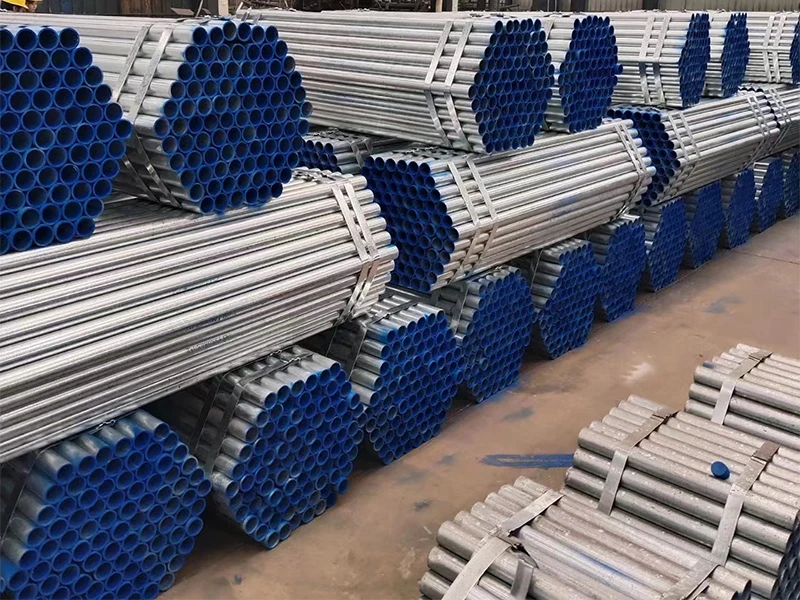
X70 Line Pipe is often coated to protect it from corrosion. There are different types of coatings available, such as epoxy coatings or polyethylene coatings. The coating should be applied according to the manufacturer's instructions and should cover the entire surface of the pipe, including the welds.

In addition to the coating, cathodic protection is also commonly used to prevent corrosion. Cathodic protection involves applying an electrical current to the pipe to make it the cathode in an electrochemical cell, which helps to prevent the metal from corroding.
Testing and Inspection
Once the X70 Line Pipe is installed, it needs to be tested and inspected to ensure it meets the required standards. Pressure testing is one of the most common tests used to check the integrity of the pipeline. The pipeline is filled with water or another fluid and pressurized to a specified level to check for leaks or other defects.
In addition to pressure testing, visual inspections are also carried out to check for any visible damage or defects. The pipe should be inspected for dents, scratches, corrosion, or other signs of wear and tear. Any issues that are identified during the testing and inspection process should be addressed immediately to ensure the safety and reliability of the pipeline.
Additional Resources
If you're interested in learning more about steel pipes and tubing, I recommend checking out these resources:
- Steel Tubes: This website provides more information about different types of steel tubes and their applications.
- ASTM A106 Seamless Carbon Steel Pipe: Here, you can find detailed information about ASTM A106 seamless carbon steel pipe, which is another type of pipe commonly used in the industry.
- Steel Tubing: This page offers insights into steel tubing and its uses.
Contact Us for Procurement
If you're in the market for X70 Line Pipe or have any questions about the installation requirements, I'd love to hear from you. We're a leading supplier of high-quality X70 Line Pipe, and we can provide you with the products and support you need for your project. Whether you're working on a small-scale pipeline or a large industrial project, we've got you covered.
Just reach out to us, and we'll be happy to discuss your requirements and provide you with a competitive quote. Let's work together to ensure the success of your pipeline project!
References
- API Specification 5L: Specification for Line Pipe
- ASTM Standards for Steel Pipe and Tubing
- Welding Procedure Specifications for High-Strength Steel Pipes