


Hey there! I'm a supplier of KS D3562 Steel Pipe, and today I wanna chat about the environmental impacts of producing these pipes. It's a topic that's super important, not just for us in the industry but for the whole planet.
Let's start with the raw materials. Making KS D3562 Steel Pipe mainly involves iron ore, coal, and limestone. Mining these raw materials can cause some serious environmental problems. For iron ore, large - scale open - pit or underground mining operations are often required. These mines can disrupt the natural landscape, destroy habitats for plants and animals, and lead to soil erosion. When the topsoil is removed during mining, it can't support the growth of native vegetation anymore. This also increases the risk of landslides and sedimentation in nearby rivers and streams.
Coal, another key ingredient in steel production, is a non - renewable resource. Extracting coal through methods like mountaintop removal or underground mining has a huge environmental footprint. It releases a lot of dust and harmful pollutants into the air, which can cause respiratory problems for people living in the vicinity. And when coal is burned in the steel - making process, it emits large amounts of carbon dioxide (CO₂), a major greenhouse gas that contributes to global warming.
Now, let's talk about the energy consumption during the production of KS D3562 Steel Pipe. Steel production is an energy - intensive process. Most of the energy comes from fossil fuels, such as coal and natural gas. The high energy demand not only depletes our limited fossil fuel reserves but also releases a significant amount of CO₂ into the atmosphere. The more energy we use, the more we're adding to the global climate change problem.
In addition to CO₂, steel production also emits other pollutants like sulfur dioxide (SO₂) and nitrogen oxides (NOₓ). These pollutants can form acid rain when they react with water vapor in the atmosphere. Acid rain can damage forests, lakes, and buildings. It can also harm aquatic life by making the water too acidic for many species to survive.
The manufacturing process of KS D3562 Steel Pipe also generates a lot of waste. There are solid wastes like slag, which is a by - product of the smelting process. Slag can take up a large amount of landfill space if not properly managed. And there are also liquid wastes, which may contain heavy metals and other contaminants. If these liquid wastes are not treated correctly before being discharged, they can pollute water sources, affecting both human health and the environment.
But it's not all doom and gloom. There are some ways to reduce the environmental impacts of KS D3562 Steel Pipe production. One approach is to use recycled steel. Recycling steel reduces the need for virgin raw materials, which in turn cuts down on the environmental damage caused by mining. It also requires less energy compared to producing steel from scratch. When we recycle steel, we can save up to 75% of the energy needed for primary steel production.
Another option is to invest in cleaner technologies. For example, using electric arc furnaces instead of traditional blast furnaces can significantly reduce CO₂ emissions. Electric arc furnaces use electricity to melt steel, and if the electricity comes from renewable sources like wind or solar power, the environmental impact can be greatly reduced.
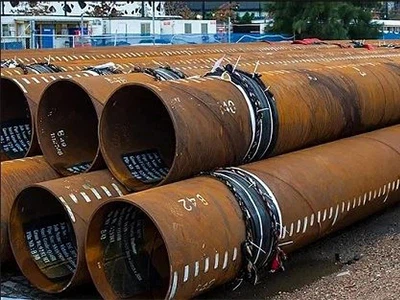

We can also improve waste management. By reusing and recycling slag, we can turn it into useful products like construction materials. And by treating liquid wastes properly, we can prevent water pollution.
When comparing KS D3562 Steel Pipe with other types of steel products, it's interesting to look at some alternatives. For instance, the ASTM A500 Square Steel Tube has its own set of production processes and environmental impacts. The production of ASTM A500 Square Steel Tube also has energy and raw material requirements, but the specific details may vary depending on the manufacturing methods used.
Similarly, the ASTM A252 Steel Pipe Piles and JIS G3444 Structural Steel Tube have their unique environmental footprints. Each type of steel product has its own challenges and opportunities when it comes to reducing environmental impacts.
As a supplier of KS D3562 Steel Pipe, I'm committed to minimizing the environmental impacts of our products. We're constantly looking for ways to improve our production processes, use more sustainable materials, and reduce waste. We believe that it's our responsibility to balance economic development with environmental protection.
If you're in the market for high - quality KS D3562 Steel Pipe, we'd love to have a chat with you. Whether you're working on a small construction project or a large - scale infrastructure development, we can provide you with the right products at competitive prices. And by choosing our products, you can be part of the effort to reduce the environmental impacts of steel production. So, don't hesitate to reach out if you have any questions or if you're interested in making a purchase.
References:
- "Environmental Impacts of Steel Production" - Steel Manufacturing Journal
- "Sustainable Steel Production: Challenges and Opportunities" - International Steel Association Report
- "Recycling in the Steel Industry" - Waste Management Research Institute




