


As a reliable supplier of X56 Line Pipe, I've witnessed firsthand the significance of this product in various industrial applications. X56 Line Pipe is widely used in the transportation of oil, gas, and other fluids due to its high strength and good weldability. However, like any other industrial product, it is not immune to certain defects. In this blog, I'll delve into the common defects of X56 Line Pipe and discuss effective ways to deal with them.
Common Defects of X56 Line Pipe
1. Surface Defects
- Scratches and Gouges: During the manufacturing, handling, or transportation process, X56 Line Pipe can be scratched or gouged. These surface irregularities can weaken the pipe's structural integrity and make it more susceptible to corrosion. For example, in a busy construction site, pipes may be dragged across rough surfaces, causing scratches.
- Cracks: Surface cracks can occur due to improper heat treatment during manufacturing or excessive stress during installation. Cracks can propagate over time, leading to pipe failure. In some cases, rapid temperature changes can also induce cracking in the pipe surface.
2. Wall Thickness Variation
- Non - uniform Wall Thickness: In the production of X56 Line Pipe, achieving a perfectly uniform wall thickness can be challenging. Non - uniform wall thickness can lead to uneven stress distribution in the pipe. When the pipe is under pressure, areas with thinner walls are more likely to fail. This defect can be caused by issues in the rolling or extrusion process during manufacturing.
3. Weld Defects (if applicable)
- Porosity: Porosity in the weld of X56 Line Pipe occurs when gas is trapped in the weld metal during the welding process. This can weaken the weld joint and reduce the overall strength of the pipe. Porosity can be caused by factors such as improper shielding gas flow, dirty welding surfaces, or incorrect welding parameters.
- Lack of Fusion: Lack of fusion means that the weld metal does not properly bond with the base metal. This can result in a weak joint that is prone to failure under stress. It can be due to insufficient heat input during welding or improper cleaning of the welding area.
4. Corrosion
- External Corrosion: X56 Line Pipe is often exposed to various environmental conditions, which can lead to external corrosion. Factors such as soil moisture, pH level, and the presence of corrosive substances in the soil can accelerate the corrosion process. For example, pipes buried in acidic soil are more likely to experience external corrosion.
- Internal Corrosion: When transporting fluids, the inner surface of the pipe can be corroded by the fluid itself. For instance, if the fluid contains corrosive chemicals or has a high sulfur content, it can cause internal corrosion of the pipe.
How to Deal with These Defects
1. Surface Defects
- Inspection and Repair: Regular inspection of the pipe surface is crucial. Visual inspection can be used to detect obvious scratches and gouges. For minor scratches, grinding and polishing can be used to smooth the surface. In the case of cracks, depending on their severity, welding repair or pipe replacement may be necessary. Welding repair should be carried out by qualified welders following strict welding procedures.
- Surface Protection: Applying protective coatings such as epoxy or polyethylene coatings can prevent further surface damage and corrosion. These coatings act as a barrier between the pipe surface and the environment.
2. Wall Thickness Variation
- Quality Control during Manufacturing: Manufacturers should implement strict quality control measures to ensure uniform wall thickness. Advanced measurement techniques such as ultrasonic testing can be used to monitor the wall thickness during the production process. If non - uniform wall thickness is detected, adjustments can be made to the manufacturing process.
- Pipe Selection and Design: When selecting X56 Line Pipe for a specific application, consider the allowable wall thickness variation. Designers can also take into account the potential impact of wall thickness variation on the pipe's performance and make appropriate design modifications.
3. Weld Defects
- Welding Process Optimization: To prevent weld defects such as porosity and lack of fusion, optimize the welding process. This includes using the correct welding parameters, ensuring proper shielding gas flow, and thoroughly cleaning the welding surfaces. Welders should be well - trained and follow standard welding procedures.
- Weld Inspection: After welding, perform non - destructive testing such as radiographic testing or ultrasonic testing to detect any weld defects. If defects are found, the weld should be repaired or redone.
4. Corrosion
- Cathodic Protection: Cathodic protection is an effective method to prevent external corrosion. It involves connecting the pipe to a sacrificial anode or using an impressed current system to make the pipe the cathode in an electrochemical cell, thus preventing corrosion.
- Internal Coating and Fluid Treatment: For internal corrosion, applying an internal coating to the pipe can provide a protective layer. Additionally, treating the fluid to reduce its corrosiveness, such as removing sulfur or adjusting the pH level, can also help prevent internal corrosion.
Related Products and Their Significance
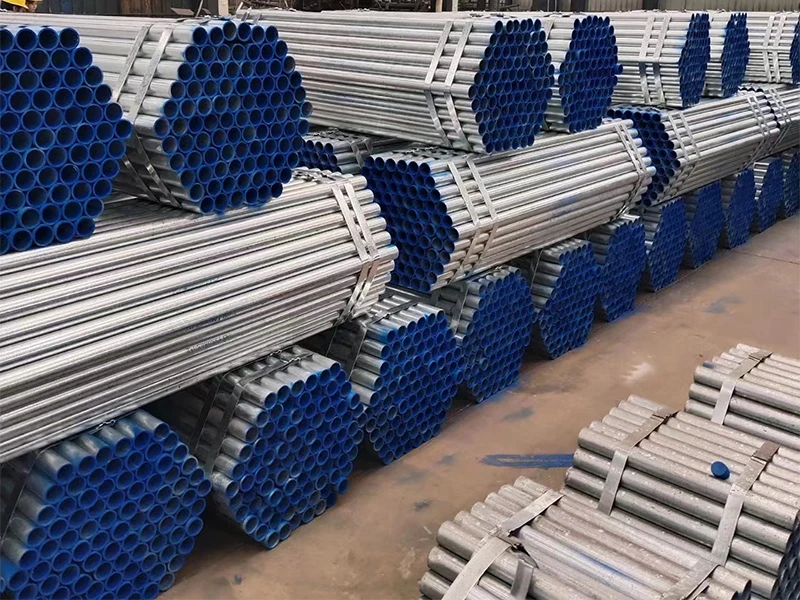
In addition to X56 Line Pipe, we also offer other related products such as Stainless Steel Seamless Tube for Automotive Structures, Steel Tubes, and JIS G3455 Seamless Steel Pipe. These products have their own unique applications and advantages.
Stainless Steel Seamless Tube for Automotive Structures is known for its high strength, corrosion resistance, and excellent formability. It is widely used in the automotive industry for various structural components. Steel Tubes, on the other hand, are versatile products that can be used in a wide range of industries, including construction, machinery, and transportation. JIS G3455 Seamless Steel Pipe meets specific Japanese industrial standards and is suitable for applications where high - quality seamless pipes are required.

Conclusion
X56 Line Pipe is a vital product in the industrial field, but it is subject to various defects. By understanding these common defects and implementing appropriate measures to deal with them, we can ensure the reliable performance of the pipe. As a supplier, we are committed to providing high - quality X56 Line Pipe and related products. If you are interested in our products or have any questions about X56 Line Pipe, please feel free to contact us for procurement and further discussion.
References
- ASME B31.4 - Pipeline Transportation Systems for Liquid Hydrocarbons and Other Liquids
- API 5L - Specification for Line Pipe
- ISO 3183 - Petroleum and natural gas industries — Steel pipe for pipeline transportation systems




