


Hey there! I'm a supplier of ASTM A178 Boiler Tube, and today I wanna chat about the cavitation - resistance requirements for these tubes in some applications.
First off, let's understand what cavitation is. Cavitation happens when the pressure of a liquid drops below its vapor pressure, causing vapor bubbles to form. When these bubbles collapse, they can generate high - energy shockwaves that can damage the surface of materials, like our ASTM A178 Boiler Tubes.
In many power generation applications, these tubes are exposed to high - velocity steam and water flow. For instance, in a steam power plant, the boiler tubes are responsible for converting water into high - pressure steam. The high - speed flow of steam and water can lead to cavitation. If the tubes don't have good cavitation - resistance, they can experience pitting, erosion, and eventually, failure. This not only leads to costly repairs but also can cause unplanned shutdowns of the power plant.
So, what are the specific cavitation - resistance requirements for ASTM A178 Boiler Tubes in these applications? Well, the material composition plays a crucial role. ASTM A178 Boiler Tubes are typically made of carbon steel. The carbon content and other alloying elements need to be carefully controlled. A proper amount of carbon can enhance the hardness and strength of the tube, which in turn can improve its cavitation - resistance. However, too much carbon can make the tube brittle, so it's all about finding that sweet spot.
Another important factor is the surface finish of the tubes. A smooth surface finish can reduce the likelihood of cavitation bubble formation. Rough surfaces can act as nucleation sites for the bubbles, making cavitation more likely to occur. So, during the manufacturing process, we pay close attention to achieving a smooth surface on the ASTM A178 Boiler Tubes.
In some industrial heating applications, like in chemical plants or refineries, the tubes are also exposed to corrosive environments along with the potential for cavitation. The combination of corrosion and cavitation can be particularly damaging. In these cases, the cavitation - resistance requirements are even more stringent. We might need to consider using tubes with additional protective coatings. You can check out Coated Steel Pipe for more information on how coatings can enhance the performance of the tubes.
Now, let's compare ASTM A178 Boiler Tubes with some other types of tubes. ASTM A192 Boiler Tube is another popular option. While both are used in boiler applications, ASTM A192 is often used in higher - pressure and higher - temperature environments. The cavitation - resistance requirements for ASTM A192 might be different due to the more extreme operating conditions. ASTM A192 tubes might need to have a higher level of alloying elements to withstand the harsher environment.
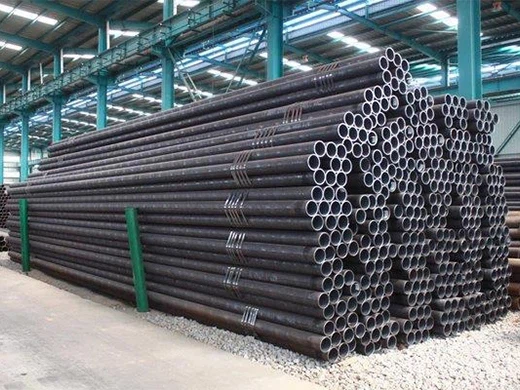

JIS G3441 Alloy Steel Tube is also an alternative. These tubes are known for their good mechanical properties and corrosion resistance. In applications where cavitation and corrosion are both concerns, JIS G3441 tubes can be a viable choice. However, the specific cavitation - resistance requirements still depend on the exact application.
When it comes to testing the cavitation - resistance of ASTM A178 Boiler Tubes, there are several methods. One common method is the ultrasonic cavitation test. In this test, an ultrasonic transducer is used to generate cavitation bubbles in a liquid medium, and the tube is exposed to this cavitating environment. The amount of material loss from the tube surface is then measured to evaluate its cavitation - resistance.
Another method is the jet - impingement test. In this test, a high - velocity jet of liquid is directed at the tube surface. The impact of the jet can cause cavitation, and the damage to the tube is observed and analyzed.
As a supplier, we make sure that our ASTM A178 Boiler Tubes meet the necessary cavitation - resistance requirements. We have a strict quality control system in place. Our tubes go through multiple inspections and tests before they are shipped out. We also work closely with our customers to understand their specific application requirements and provide them with the best - suited tubes.
If you're in the market for ASTM A178 Boiler Tubes or have any questions about their cavitation - resistance requirements in your specific application, don't hesitate to reach out. We're here to help you find the right solution for your needs. Whether it's for a power plant, an industrial heating system, or any other application, we've got the expertise and the high - quality tubes to meet your requirements.
References:
- ASTM International standards for A178 Boiler Tubes
- Industry research papers on cavitation and its effects on boiler tubes
- Technical reports on the performance of different types of boiler tubes in various applications




