


So, you've just bought some alloy tubes from us, and now you're facing a few issues. No worries! As an alloy tube supplier, I've seen it all, and I'm here to walk you through how to handle problems with alloy tubes after purchase.
1. Inspection Right After Receiving
The first thing you should do when the alloy tubes arrive is a quick inspection. Check for any visible damage like dents, scratches, or cracks on the surface. These issues might seem minor at first, but they can lead to big problems down the line. If you notice any such issues, take photos immediately. This documentation will be super important if you need to file a claim.
Also, make sure to check the dimensions. Sometimes, due to transportation or manufacturing errors, the tubes might not be the exact size you ordered. Compare the actual measurements with the specifications in your purchase contract. If there are discrepancies, contact us right away.
2. Surface Defects
Surface defects are one of the most common problems with alloy tubes. Rust is a biggie. If you find some rust spots on the tubes, don't panic. In most cases, it's just surface rust that can be removed. You can use a wire brush or sandpaper to gently scrub off the rust. For more stubborn rust, you might need to use a rust remover. But be careful, some rust removers can be harsh and damage the tube's surface, so follow the instructions on the product carefully.
Pitting is another surface issue. Pitting looks like small holes or depressions on the tube's surface. This can be caused by corrosion or improper storage. If the pitting is minor, you can try to smooth it out with a file or grinder. However, if the pitting is deep or widespread, it might affect the tube's structural integrity. In this case, it's best to contact us. We'll assess the situation and decide whether to replace the tubes or offer a solution.
3. Dimension and Tolerance Problems
As I mentioned earlier, dimension issues can occur. If the tubes are too short or too long, or if the wall thickness is off, it can cause problems in your project. First, double - check your measurements to make sure there wasn't a mistake on your end. If the problem persists, we'll work with you to find a solution.
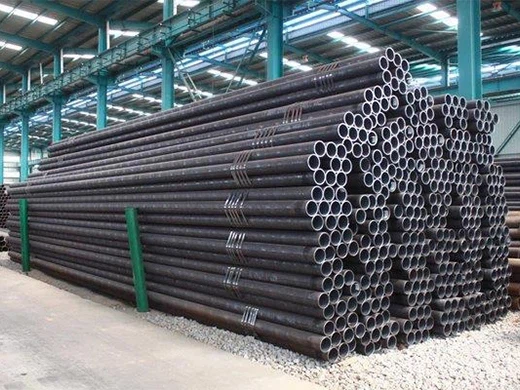

Sometimes, we can cut the tubes to the correct length or adjust the wall thickness through additional processing. But if the tubes are way out of tolerance and can't be fixed, we'll replace them for you. That's why it's so important to have clear specifications in your purchase contract and to measure the tubes as soon as they arrive.
4. Performance and Quality Issues
If you find that the alloy tubes aren't performing as expected, for example, they're not withstanding the pressure or temperature as they should, it could be a quality issue. First, make sure that the tubes are being used in the right environment. Alloy tubes are designed for specific applications, and using them outside of their intended parameters can lead to performance problems.
If you're sure that the tubes are being used correctly, contact us. We'll ask for details about the problem, such as the operating conditions, the type of load the tubes are under, and any test results you might have. Based on this information, we'll conduct further investigations. It could be a problem with the alloy composition, heat treatment, or manufacturing process. We'll do our best to solve the problem, whether it's providing technical support or replacing the tubes.
5. Storage and Handling After Purchase
Proper storage and handling are crucial to prevent problems with alloy tubes after purchase. Store the tubes in a dry, well - ventilated area. Moisture is the enemy of alloy tubes as it can cause rust and corrosion. If possible, store the tubes on racks to keep them off the ground and away from standing water.
When handling the tubes, use the right equipment. Avoid dragging the tubes on rough surfaces as this can cause scratches. Also, be careful when lifting the tubes to prevent bending or denting. If you need to cut or weld the tubes, follow the correct procedures. Incorrect cutting or welding can damage the tube's structure and affect its performance.
6. Where to Find More Information
If you want to learn more about alloy tubes, their applications, and how to handle them, you can visit our websites. Check out Alloy Tube Distributor for more information about our distribution services. If you're interested in specific types of alloy tubes, like the JIS G3441 Alloy Steel Tube or the ASTM A199 Heat - exchanger Tube, these links will take you to detailed product pages.
7. Contact Us for Further Assistance
We understand that dealing with problems after purchasing alloy tubes can be a hassle. That's why we're here to support you every step of the way. If you encounter any issues with the tubes you've bought from us, don't hesitate to reach out. Our team of experts is ready to help you solve the problem, whether it's providing technical advice, replacing the tubes, or offering a refund.
We value your business and want to make sure that you're satisfied with your purchase. So, if you have any questions or concerns, contact us. We'll work together to find the best solution for your situation. Whether you're in the middle of a big project or just starting out, we're committed to providing you with high - quality alloy tubes and excellent customer service.
References
- Common Knowledge of Alloy Tube Maintenance and Troubleshooting, Industry Handbook
- Alloy Tube Manufacturing and Quality Control Standards, International Industry Guidelines




