


Hey there! As a supplier of ASTM A252 steel pipe piles, I often get asked about the fatigue resistance properties of these bad boys. So, I thought I'd take a crack at explaining it all in this blog post.
First off, let's talk about what fatigue resistance actually means. Fatigue is basically the weakening of a material due to repeated loading and unloading. Think of it like bending a paperclip back and forth over and over again. Eventually, it'll break, right? That's fatigue in action. In the case of steel pipe piles, they're often subjected to cyclic loads from things like wind, waves, and traffic vibrations. So, having good fatigue resistance is super important to ensure their long - term durability.
ASTM A252 steel pipe piles are designed to handle these cyclic loads pretty well. The standard ASTM A252 covers three grades of steel pipe piles: Grade 1, Grade 2, and Grade 3. Each grade has different chemical and mechanical properties, which in turn affect their fatigue resistance.
Grade 1 is the lowest grade in terms of strength. It's made of mild steel and is typically used in less demanding applications. While it may not have the highest fatigue resistance compared to the other grades, it still offers decent performance for many common projects. The lower carbon content in Grade 1 steel makes it more ductile, which can help it absorb some of the energy from cyclic loads without cracking easily.
Grade 2 is a step up in terms of strength. It has a higher carbon content and some alloying elements, which give it better mechanical properties. This means it can withstand more cyclic loading before fatigue sets in. Grade 2 steel pipe piles are often used in medium - to high - stress applications, like in bridges or large buildings. The improved strength and toughness of Grade 2 steel contribute to its enhanced fatigue resistance.
Grade 3 is the highest grade in the ASTM A252 standard. It's made of high - strength steel and is designed for the most demanding applications. With its high carbon and alloy content, Grade 3 steel pipe piles have excellent fatigue resistance. They can handle heavy cyclic loads for long periods without significant degradation. This makes them ideal for use in offshore structures, where they're constantly exposed to the harsh forces of the ocean.
Now, let's dig a little deeper into the factors that affect the fatigue resistance of ASTM A252 steel pipe piles.
One of the key factors is the surface finish of the pipe. A smooth surface finish can significantly improve fatigue resistance. When the surface is rough, it creates stress concentrations, which are like weak points in the material. These stress concentrations can act as starting points for cracks to form under cyclic loading. So, during the manufacturing process, we make sure to give our ASTM A252 steel pipe piles a smooth finish to minimize the risk of fatigue cracking.
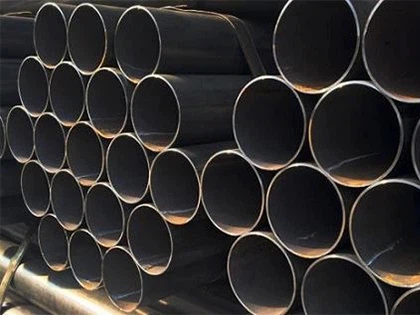

The welding quality also plays a crucial role. Welds are often the weakest points in a steel pipe pile. If the welding is not done properly, it can introduce defects like porosity, lack of fusion, or excessive residual stresses. These defects can reduce the fatigue resistance of the pipe pile. That's why we have strict quality control measures in place to ensure that all our welds meet the highest standards.
Another important factor is the size and shape of the pipe pile. Generally, larger diameter pipe piles have better fatigue resistance than smaller ones. This is because the larger cross - sectional area can distribute the cyclic loads more evenly, reducing the stress levels at any given point. Also, the shape of the pipe can affect its fatigue performance. Circular pipes tend to have better fatigue resistance compared to non - circular shapes, as they have a more uniform stress distribution around the circumference.
When it comes to comparing ASTM A252 steel pipe piles with other types of steel products, it's worth mentioning some related standards. For example, the KS D3568 Structural Tube is a popular choice in some regions. While it has its own set of properties and applications, ASTM A252 steel pipe piles are specifically designed for pile applications and often offer better fatigue resistance when it comes to handling the unique loads associated with being driven into the ground.
The ASTM A500 Square Steel Tube is another option. Square tubes have a different geometry compared to the circular ASTM A252 pipe piles. The corners of square tubes can create stress concentrations, which may reduce their fatigue resistance in some cyclic loading scenarios. So, depending on the application, ASTM A252 pipe piles might be a better choice for projects where fatigue is a major concern.
The ASTM A618 High - Strength Structural Tubing is also in the same ballpark as ASTM A252. However, ASTM A252 is more focused on pile applications, and its design takes into account the specific requirements of being driven into the soil and withstanding the associated cyclic loads.
In conclusion, ASTM A252 steel pipe piles offer a range of fatigue resistance properties depending on the grade. Whether you're working on a small building project or a large offshore structure, there's a grade of ASTM A252 that can meet your needs. With proper manufacturing processes, including smooth surface finishes and high - quality welding, we can ensure that our pipe piles have excellent fatigue resistance.
If you're in the market for ASTM A252 steel pipe piles or have any questions about their fatigue resistance properties, feel free to reach out. We're here to help you find the right solution for your project.
References
- ASTM International. (2023). ASTM A252 Standard Specification for Welded and Seamless Steel Pipe Piles.
- Various engineering textbooks on steel structures and fatigue analysis.


